

Help your peoplemove with change,not just through it.
When the work changes, your people need room to rethink how they approach it. Torch coaching helps them question assumptions, build confidence and put new approaches into practice.
See how coaching supported people through changeMajor global social media company
92% of surveyed individual contributors agreed they could be more effective in their role.
What is adaptability coaching at Torch?
Adaptability coaching helps people respond when familiar ways of working no longer fit. An experienced coach helps them examine assumptions, work through uncertainty and choose something different to try. The aim is practical: clearer decisions, more useful conversations and a habit of learning from what happens next. Coaching complements the technical training and organizational decisions that change also requires.

Moving faster in a social media company
A major global social media company wanted its people to keep learning as technology and expectations changed. Its case narrative described a human challenge alongside the technical one: staying open to new approaches, working through uncertainty and connecting personal development to the wider direction.
One-to-one coaching gave individuals space to work on their own development. Feedback from the wider individual-contributor program showed confidence in career navigation and perceived role effectiveness, alongside satisfaction with coaching. Those results describe participant experience; they do not establish faster AI adoption.
How the coaching worked
More confidence for what comes next.
Participant feedback from the individual-contributor coaching program. Percentages show agreement or strong agreement, not the size of an improvement.
- 92%
Believed they could be more effective in their role
Agreement with the role-effectiveness statement, not an independently measured performance gain.
- 90%
Felt confident navigating their career
Agreement with the career-confidence statement.
- 93%
Were satisfied with their coaching experience
Agreement with the overall coaching-satisfaction statement.
- +75
Coaching Net Promoter Score
NPS uses a scale from −100 to +100. This is a score, not a percentage.
How coaching made development personal.
Stock photographs illustrate coaching themes, not this customer’s participants or program sessions.
Create a one-to-one partnership.
The program supported individuals through a matching profile and coach options before they began a coaching partnership.
A coach for the individualMake room for a different perspective.
The case narrative emphasized adaptive mindset and learning agility: questioning familiar assumptions and applying lessons to new challenges.
Thinking beyond the familiarConnect growth to changing work.
Change leadership and purpose alignment helped frame development around uncertainty, working relationships and organizational direction.
Personal development with contextListen to the participant experience.
Program reviews brought together coaching participation and feedback on role effectiveness, career confidence and satisfaction.
Feedback to inform the next step



What would greater adaptability look like in your organization?
Make the next shift concrete.
Name what is changing and the decisions, habits or working relationships that need to change with it.
Find where people need support.
Distinguish uncertainty and development needs from workload, unclear priorities or barriers the business must resolve.
Shape the right coaching mix.
Choose individual, group or high-performance team coaching around the people who need to learn and act together.
Turn reflection into a practical experiment.
Match experienced coaches to participants and choose a conversation, decision or new approach to try at work.
Keep learning between sessions.
Offer optional Spark AI for rehearsal and reflection as part of your current program.
Look for change in real work.
Review agreed behaviors and adoption milestones alongside goal progress and participant feedback.
Experienced leaders. Worth your leaders’ time.
- Every coach is ICF-credentialed
- At least five years of coaching experience
- Industry leaders with first-hand experience
- Many doctoral-qualified psychologists and therapists
- Matched to leaders and their responsibilities
-

Coach Sandeep
Led businesses at Gap Inc. and Mars before coaching C-suite leaders and founders. MBA, Georgetown.
Previously at


-

Coach Evelyn
Former CEO of The RNA Society and COO of Parkinson Wellness Recovery. PhD, Cornell.
Previously at


-
Coach Rafal
Former Chief Learning Officer at Deloitte Switzerland and Vice President at Barclays. ICF Master Certified Coach.
Previously at


-

Coach Sheryl
Former Executive Vice President at Wells Fargo and Managing Director at Barclays.
Previously at UBS
UBS -
Coach Jorge
Former CEO of Axion Energy, a BP joint venture, and SVP of Global Strategic Partnerships at BP.
Previously at BP Axion Energy
 -
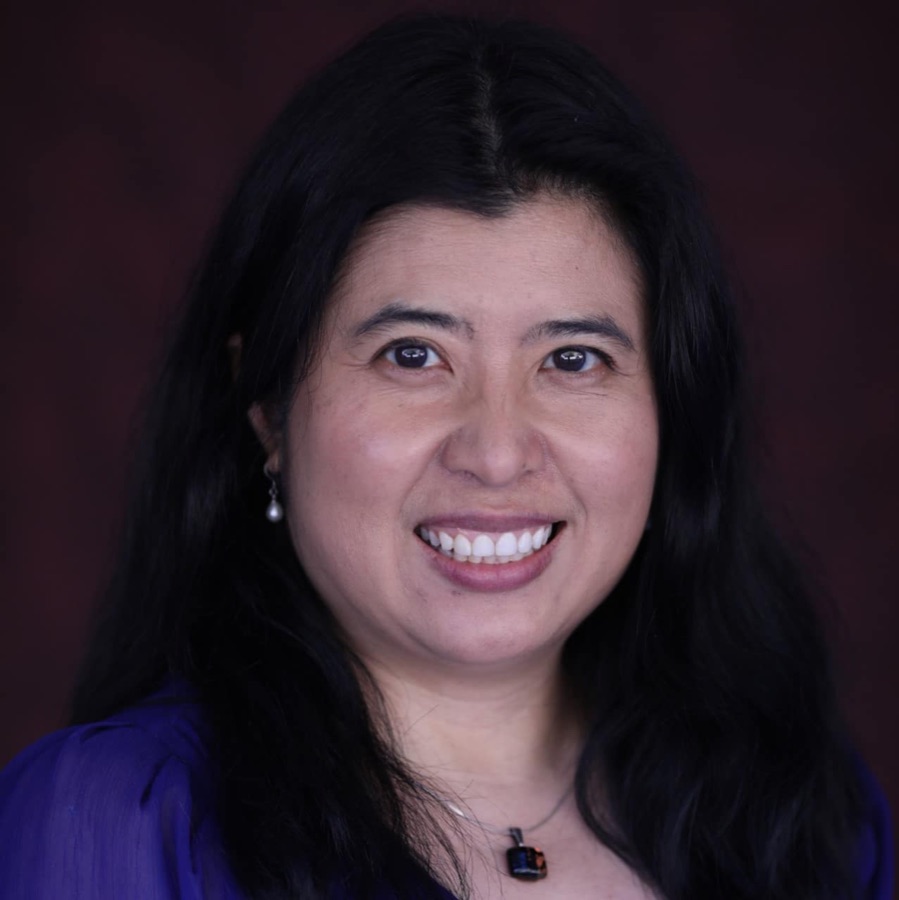
Coach Sophia
Former Vice President and Business Unit CFO at Kraft Heinz.
Previously at
 Walker & Company
 -
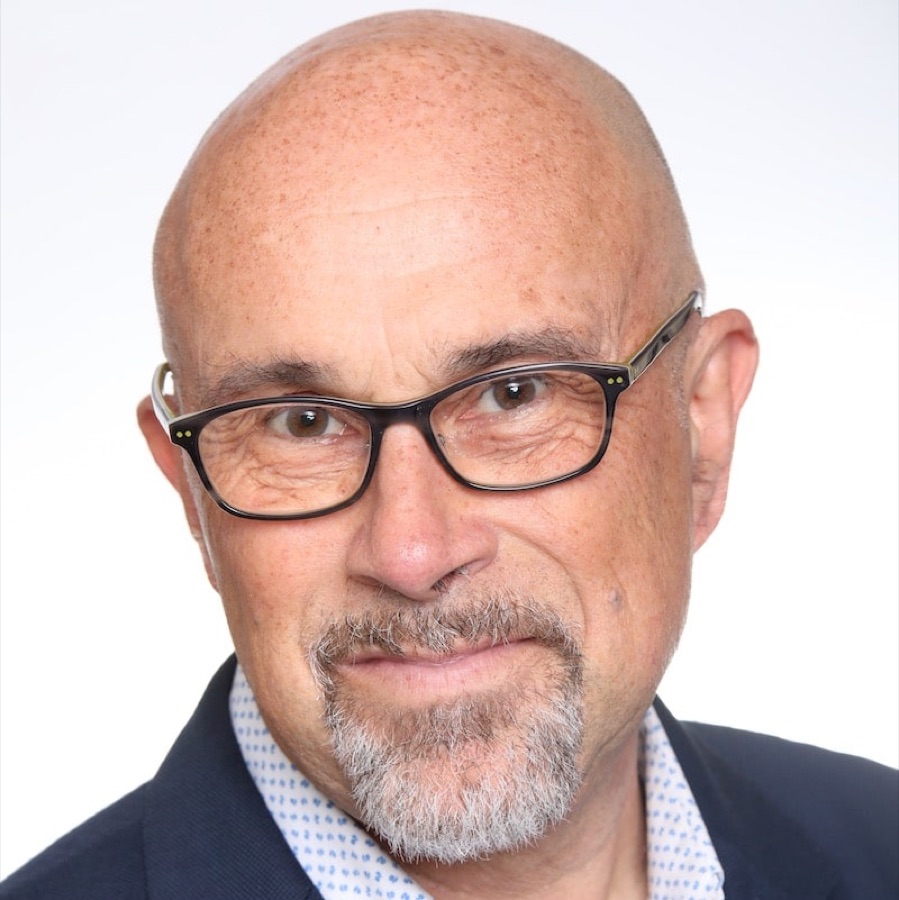
Coach Jon
Former Partner at Bain & Company and The Bridgespan Group.
Previously at
 Bannock Consulting
 -

Coach Shirley
Former Chief People Officer at Zadara and Callisto Media. PhD, Organizational Psychology.
Previously at Callisto Media
 -

Coach Andrew
Former Chief Technology Officer at Parametric and COO at Synoptic Data.
Previously at Microsoft
-
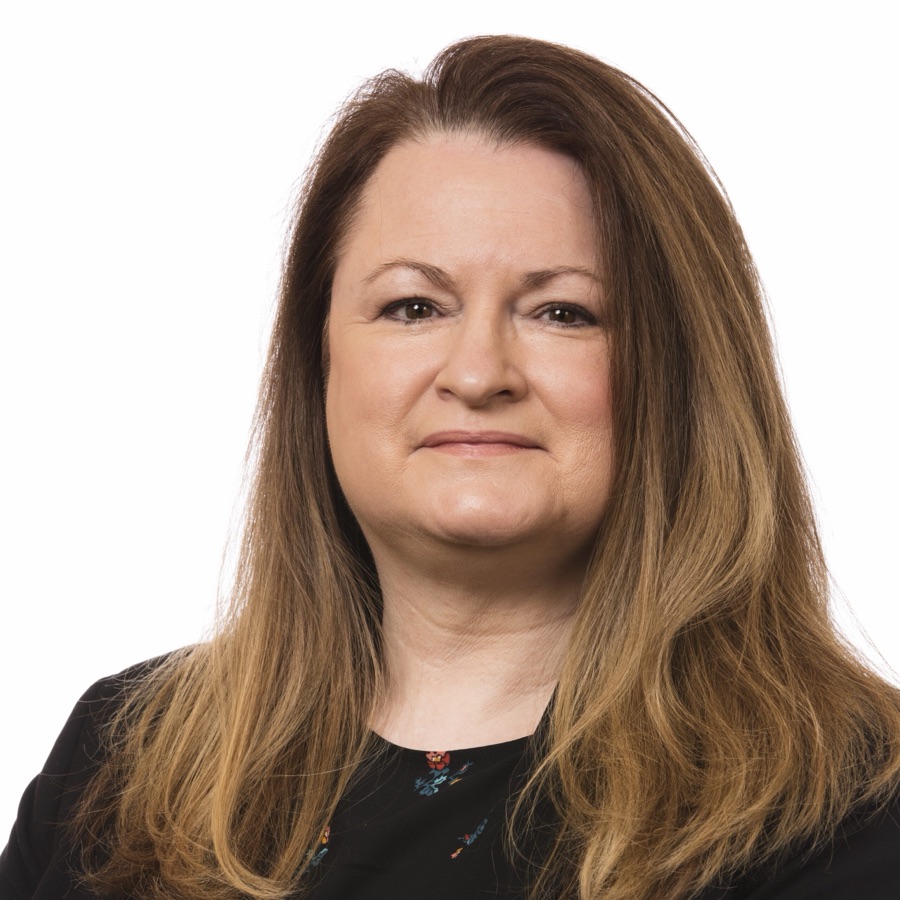
Coach Anita
Former Partner in Accenture's global strategy practice and Head of Innovation at KPMG Strategy.
Previously at

-
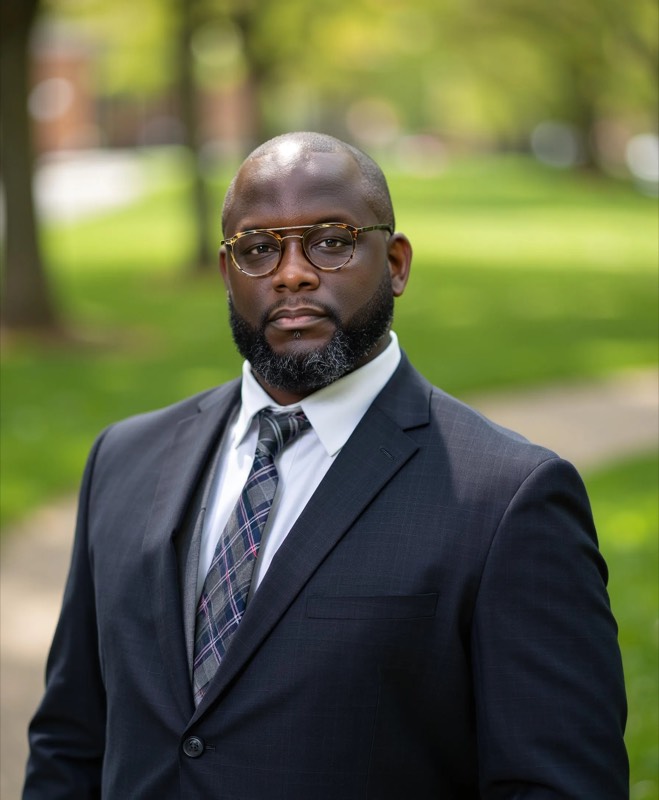
Coach Shamar
Led coaching and development programs at AvidXchange and GEICO. U.S. Navy veteran.
Previously at
 U.S. Navy
 -
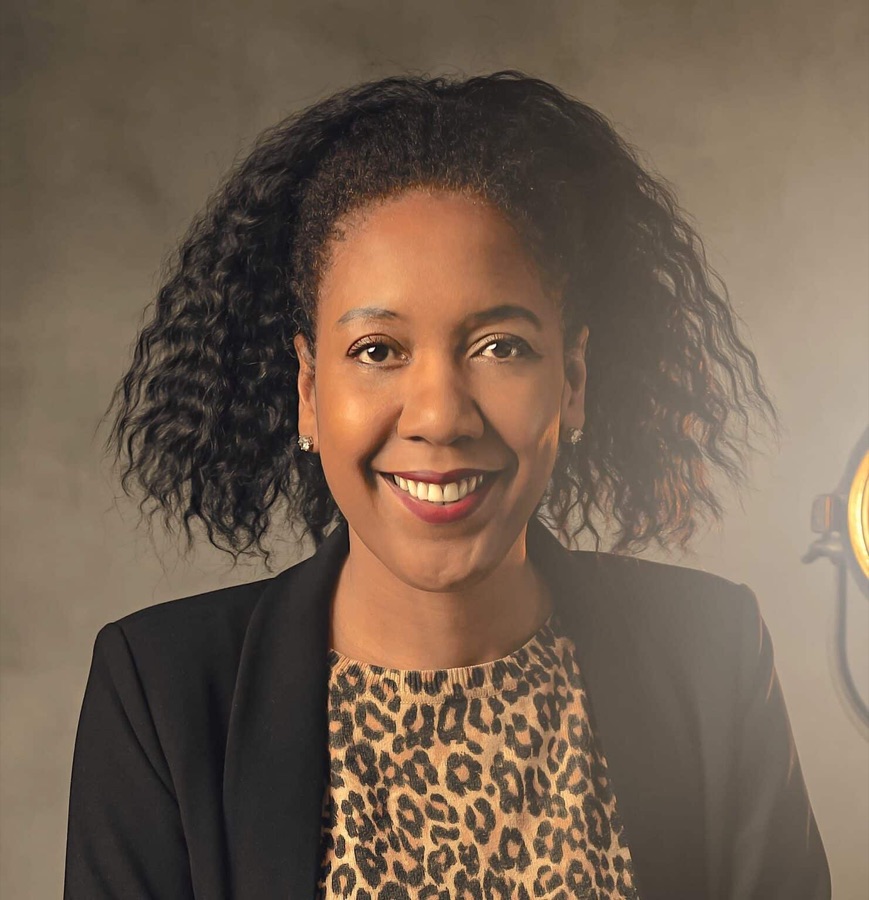
Coach Marie
Former Head of Commercial Excellence at Merck and Head of Marketing at Novartis.
Previously at Merck
Merck -

Coach Kevin
Former VP of Product Management at BILL and Head of Global Product Marketing for QuickBooks at Intuit.
Previously at
 LinkedIn
 -
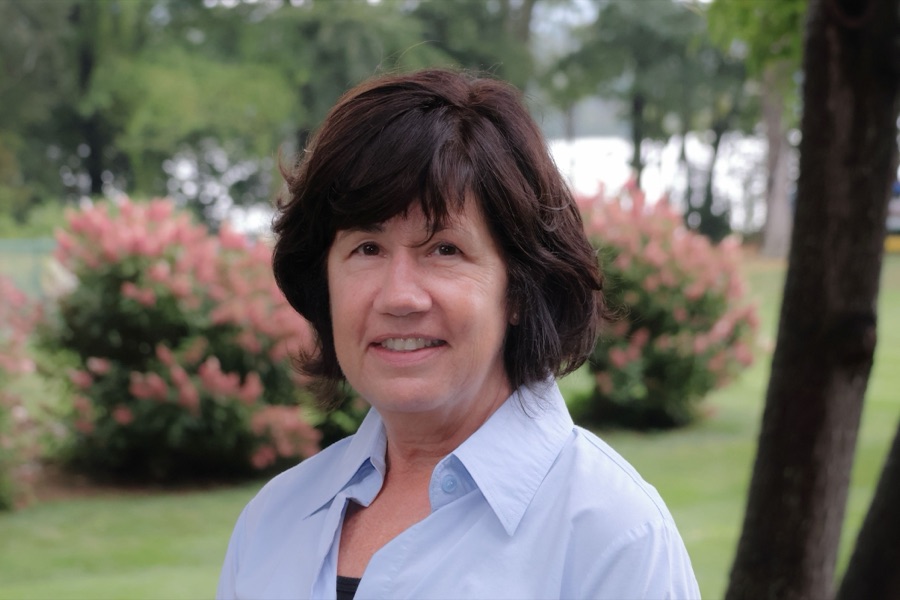
Coach April
Former Director of R&D at Johnson & Johnson. PhD, Organizational Leadership.
Previously at OraPharma Delaware Valley University
 -
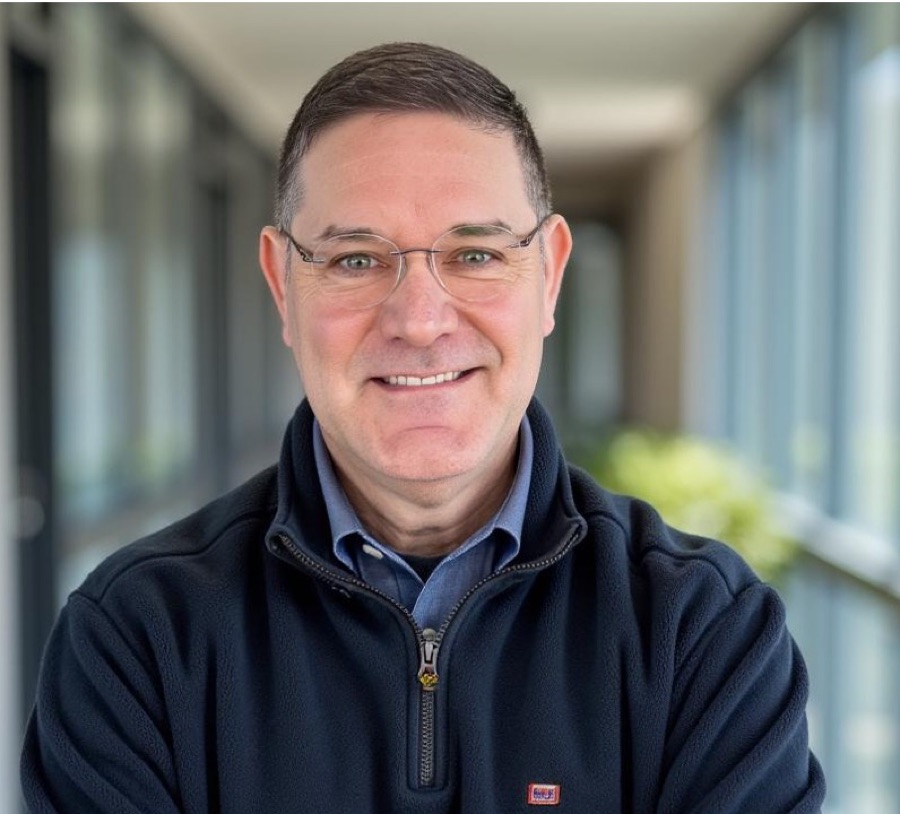
Coach Don
Former Executive Vice President and COO at Gateway Ticketing Systems; led IT at Universal Orlando Resort and Walt Disney World.
Previously at
 Universal Orlando Resort
 -

Coach Catherine
Former APAC Chief Strategy Officer at Siemens Industry Software and regional director at IBM.
Previously at
 Cisco Systems
 -
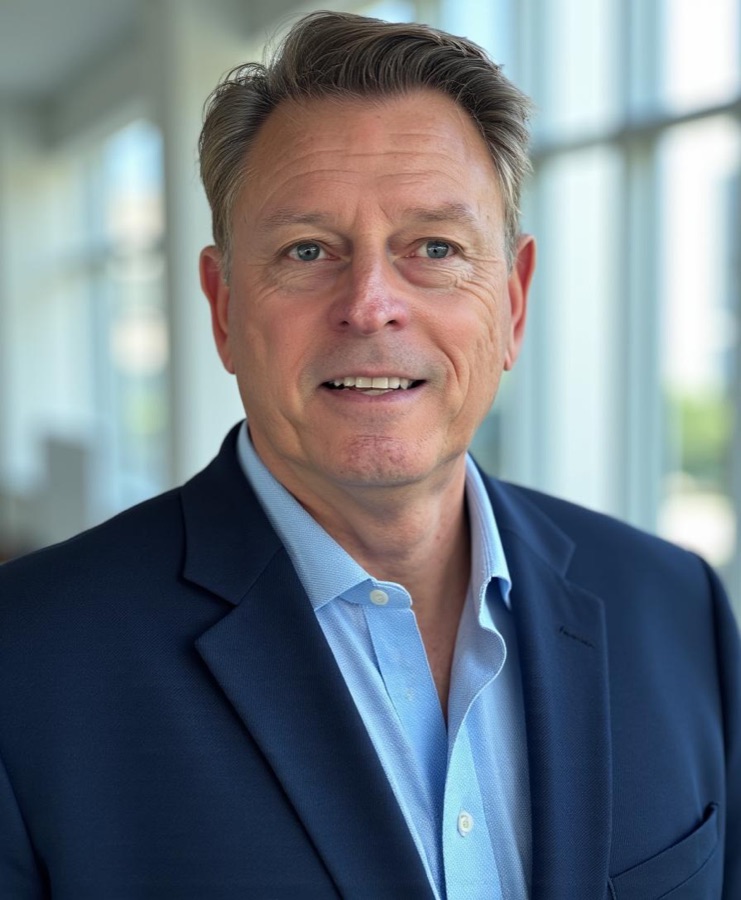
Coach Frank
Former VP of Professional Services for North America at Unit4 and VP of Customer Success at Actifio.
Previously at
 Actifio
 -
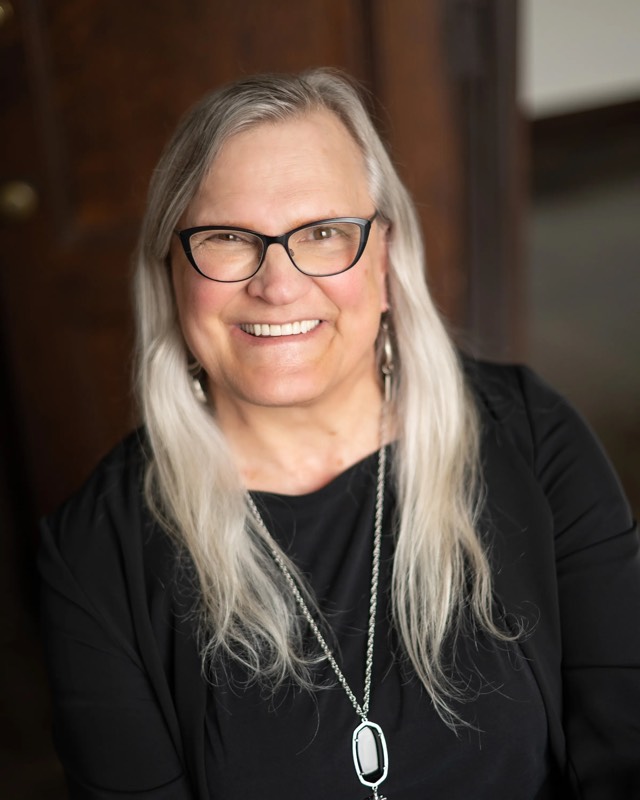
Coach Vanessa
Former Chief Human Resources Officer and Chief Operating Officer. Executive coaching certificate, Columbia University.
Previously at
 Control Data Corporation
 -
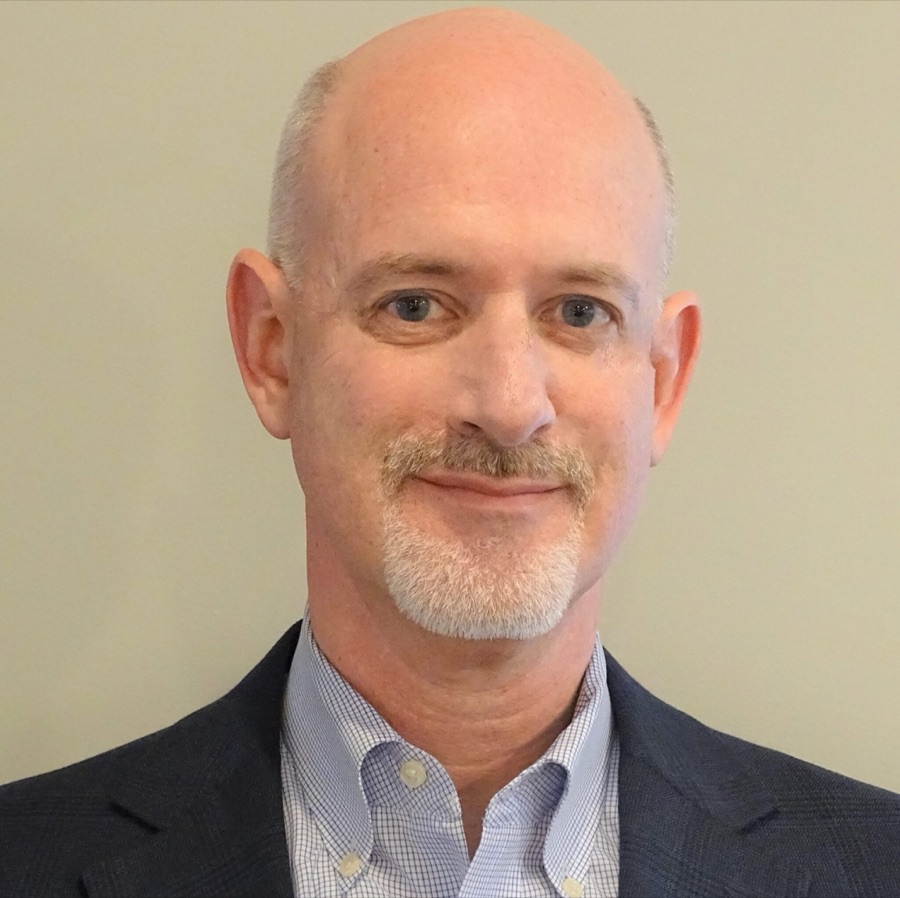
Coach Jeff
Former President of Healthcare Solutions at Budco Financial and VP of Marketing and Product Development at Dialog Direct.
Previously atBudco Financial Dialog Direct -
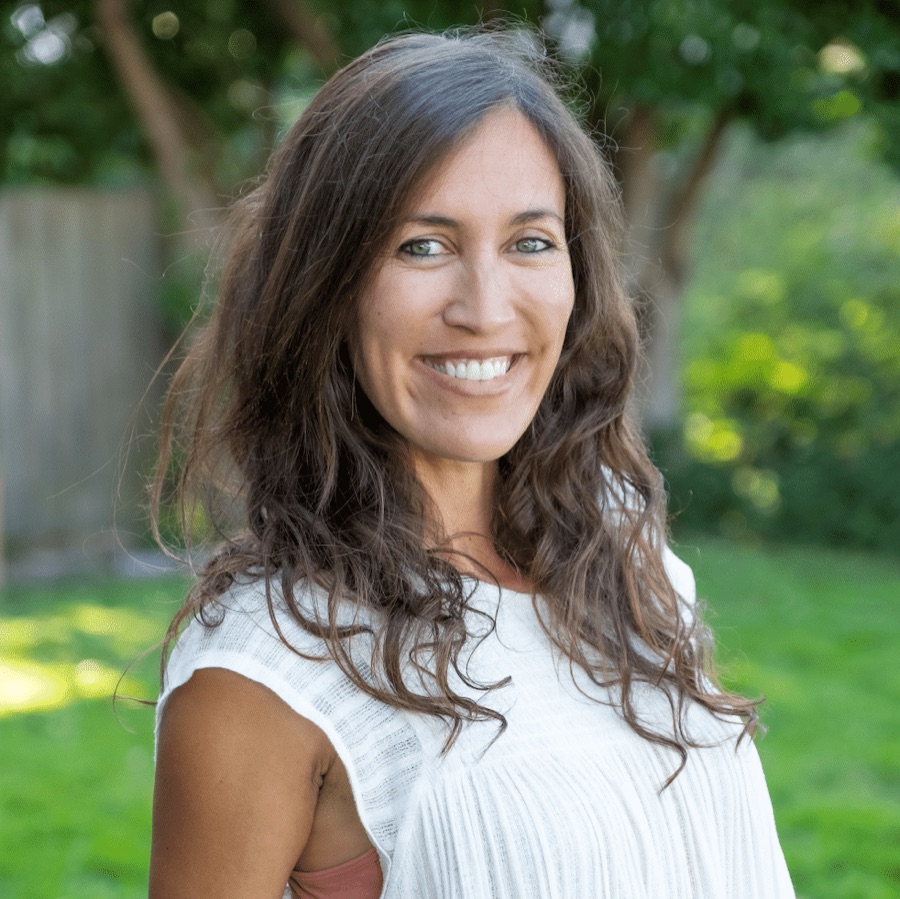
Coach Andrea
Former Senior Director of Direct-to-Consumer Marketing at Procter & Gamble.
Previously at 
Frequently asked questions about adaptability coaching.
Is adaptability the same as AI proficiency?
No. AI proficiency concerns using tools effectively and responsibly. Adaptability concerns how people learn, respond to uncertainty and change their working practices. Coaching can complement technical and policy training without replacing either.
What do these results tell us?
They describe individual contributors’ self-reported beliefs and coaching experience. The program review records 339 completed surveys, but does not give a separate response count for every question. The 92%, 90% and 93% figures represent agreement or strong agreement; +75 is an NPS score. They are not measured increases in adaptability, career progression or work performance, and the survey group is not identified as an AI-adoption cohort.
How should an adaptability program be measured?
Start with what people need to do differently, then agree how to observe it. Combine participant goals and feedback with relevant colleague observations and work outcomes. Keep measures of tool adoption, coaching topics and perceived confidence separate so each answers the right question.
What is Torch?
Torch is a leadership coaching and alignment platform for organizations developing their people through change. Experienced, ICF-credentialed coaches support individual development, with team and group formats available for shared challenges. Optional Spark AI supports reflection and practice in a current program; it is not established as part of this historical case.
What could your people approach differently tomorrow?
Give them space to question, confidence to try and support to keep learning as the work changes.
Become a Torch Changemaker:
Request your consultation