

Give your peoplea future worthstaying for.
Torch helps people work through career questions, strengthen their leadership and explore how they can grow within your organization.
Explore the customer storyGlobally recognized technology company
19% lower likelihood of leaving among coached employees than matched, uncoached peers.
What is retention-focused coaching at Torch?
Retention-focused coaching helps employees and leaders examine what meaningful growth looks like, work through barriers and put development into practice. It complements career opportunities, effective management and sound employment conditions; it does not replace them. This case looks at whether coached employees stayed and moved into new roles within their company.

Staying and growing belong in the same conversation.
A globally recognized technology company used tailored coaching to support managers and employee-community leaders with the demands of hybrid work. The partnership focused on individual development needs, empathy, accountability and the ability to support teams through change.
A separate study compared 196 coached employees with matched, uncoached colleagues using public job histories, finding lower leaving and higher internal mobility in the coached group. The delivery details below describe the wider partnership, not necessarily that same study cohort; the comparison does not prove causation.
How the coaching worked
Retention and opportunity, viewed together.
A matched comparison of coached and uncoached employees. Relative differences below are reported by the study; percentage-point differences are shown separately.
- 19%
Lower likelihood of leaving
The study reports leaving rates of 36% for coached employees and 44% for matched peers.
- 69%
Higher likelihood of an internal move
37% of coached employees took at least one new senior or lateral role, compared with 22% of matched peers.
- 8 points
Lower leaving rate
Absolute difference between the displayed 44% and 36% leaving rates, not an 8% relative reduction.
- 15 points
Higher internal-mobility rate
Absolute difference between the displayed 37% and 22% internal-mobility rates.
How coaching unfolded across the partnership.
Stock photographs illustrate coaching themes, not this customer’s participants or program sessions.
Tailor development to the person.
Coaching supported managers and employee-community leaders with different responsibilities, focusing on individual needs and the demands of hybrid work.
Relevant personal developmentPrepare managers for coaching.
Kickoff sessions helped managers get ready to engage with their coaches and make use of the development opportunity.
A supported startWork on everyday leadership.
Participant accounts describe working through self-doubt, setting team direction, and changing responses to workload and uncertainty.
Real work, real conversationsListen and improve the program.
Program reviews considered engagement and participant feedback, with better survey completion and greater use of 360 feedback identified as next priorities.
Feedback informs the next step



What would stronger retention look like in your organization?
Give people a clearer conversation about their future. Connect meaningful development with the support, opportunities and follow-through their managers can offer.
Identify the talent you need to retain.
Agree which roles, employee groups and points in the career journey need focused support.
Understand what makes growth difficult.
Use available employee feedback and career data to distinguish development needs from structural problems.
Choose the right coaching mix.
Shape individual, group or high-performance team coaching around employees’ development needs and the manager relationships that support them.
Make development practical.
Match coaches to participants’ needs and work on honest career conversations, recognition and development commitments managers can keep.
Turn conversations into follow-through.
Agree a next action, the support it needs and a date to review it, with optional Spark AI rehearsal available in a current program, not the historical study.
Follow retention and internal opportunity.
Review agreed retention and mobility measures alongside participant progress, using a suitable comparison where feasible.
Experienced leaders. Worth your leaders’ time.
- Every coach is ICF-credentialed
- At least five years of coaching experience
- Industry leaders with first-hand experience
- Many doctoral-qualified psychologists and therapists
- Matched to leaders and their responsibilities
-

Coach Sandeep
Led businesses at Gap Inc. and Mars before coaching C-suite leaders and founders. MBA, Georgetown.
Previously at


-

Coach Evelyn
Former CEO of The RNA Society and COO of Parkinson Wellness Recovery. PhD, Cornell.
Previously at


-

Coach Rafal
Former Chief Learning Officer at Deloitte Switzerland and Vice President at Barclays. ICF Master Certified Coach.
Previously at


-

Coach Sheryl
Former Executive Vice President at Wells Fargo and Managing Director at Barclays.
Previously at UBS
UBS -
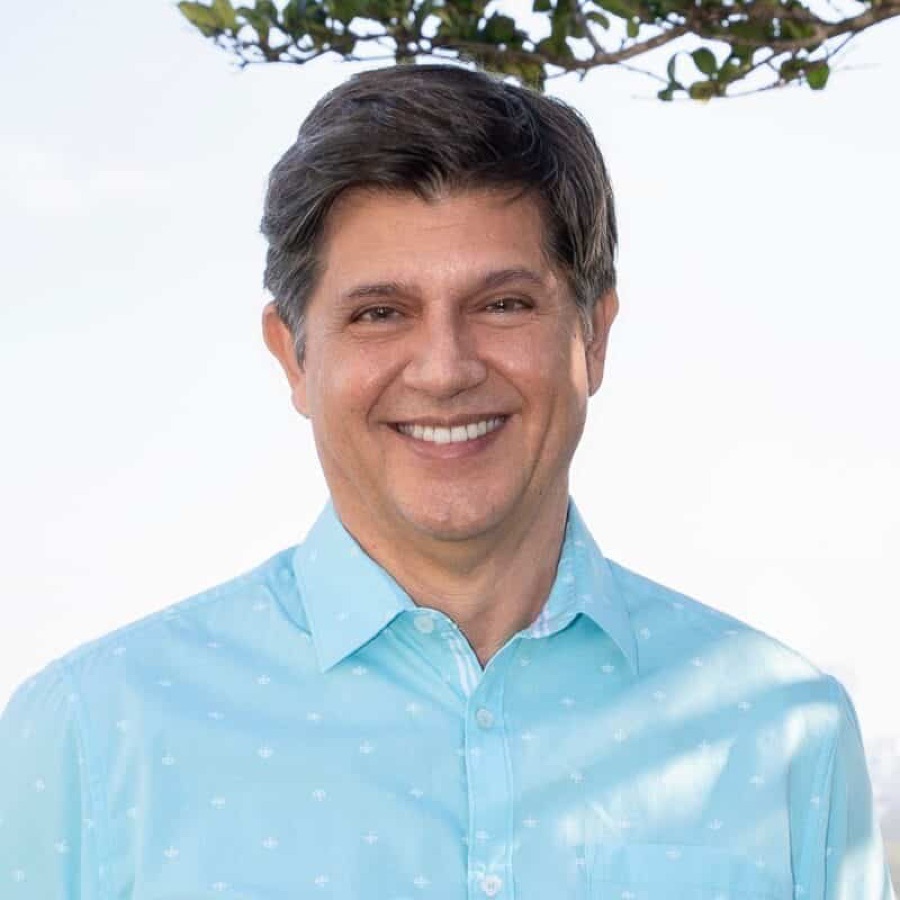
Coach Jorge
Former CEO of Axion Energy, a BP joint venture, and SVP of Global Strategic Partnerships at BP.
Previously at BP Axion Energy
 -

Coach Sophia
Former Vice President and Business Unit CFO at Kraft Heinz.
Previously at
 Walker & Company
 -
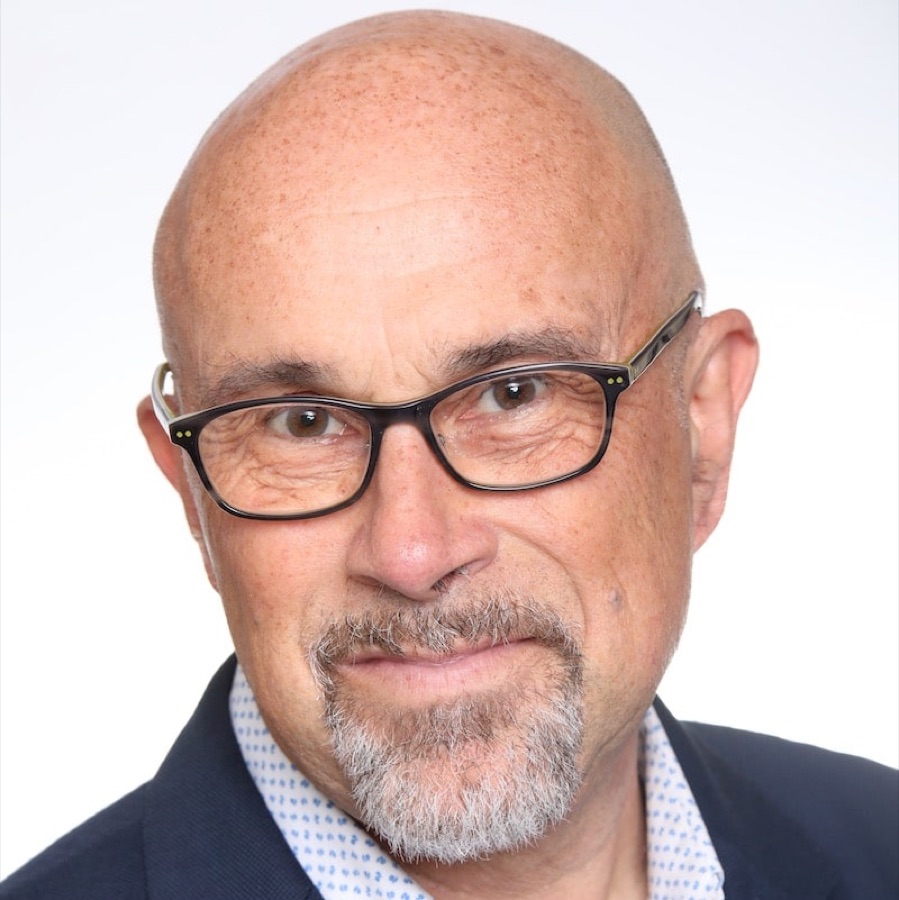
Coach Jon
Former Partner at Bain & Company and The Bridgespan Group.
Previously at
 Bannock Consulting
 -

Coach Shirley
Former Chief People Officer at Zadara and Callisto Media. PhD, Organizational Psychology.
Previously at Callisto Media
 -

Coach Andrew
Former Chief Technology Officer at Parametric and COO at Synoptic Data.
Previously at Microsoft
-

Coach Anita
Former Partner in Accenture's global strategy practice and Head of Innovation at KPMG Strategy.
Previously at

-
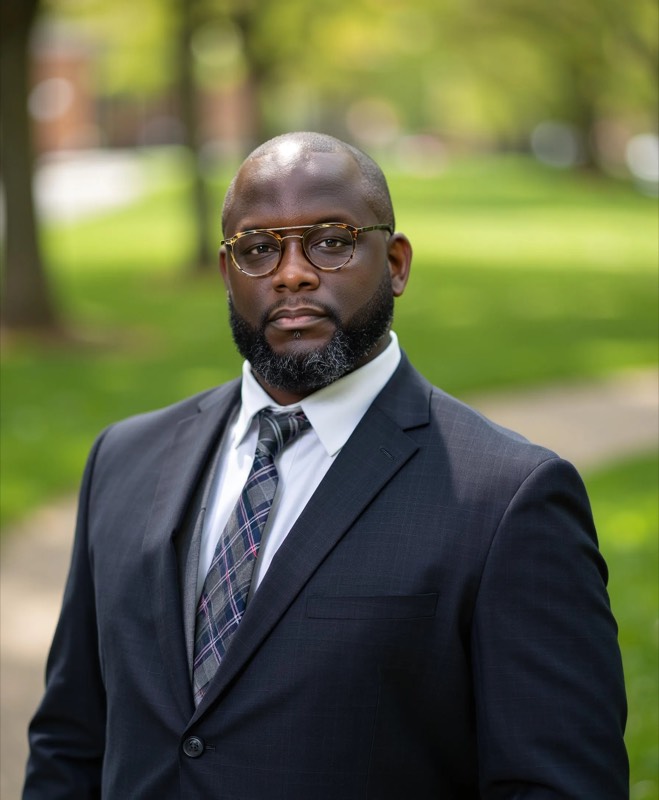
Coach Shamar
Led coaching and development programs at AvidXchange and GEICO. U.S. Navy veteran.
Previously at
 U.S. Navy
 -
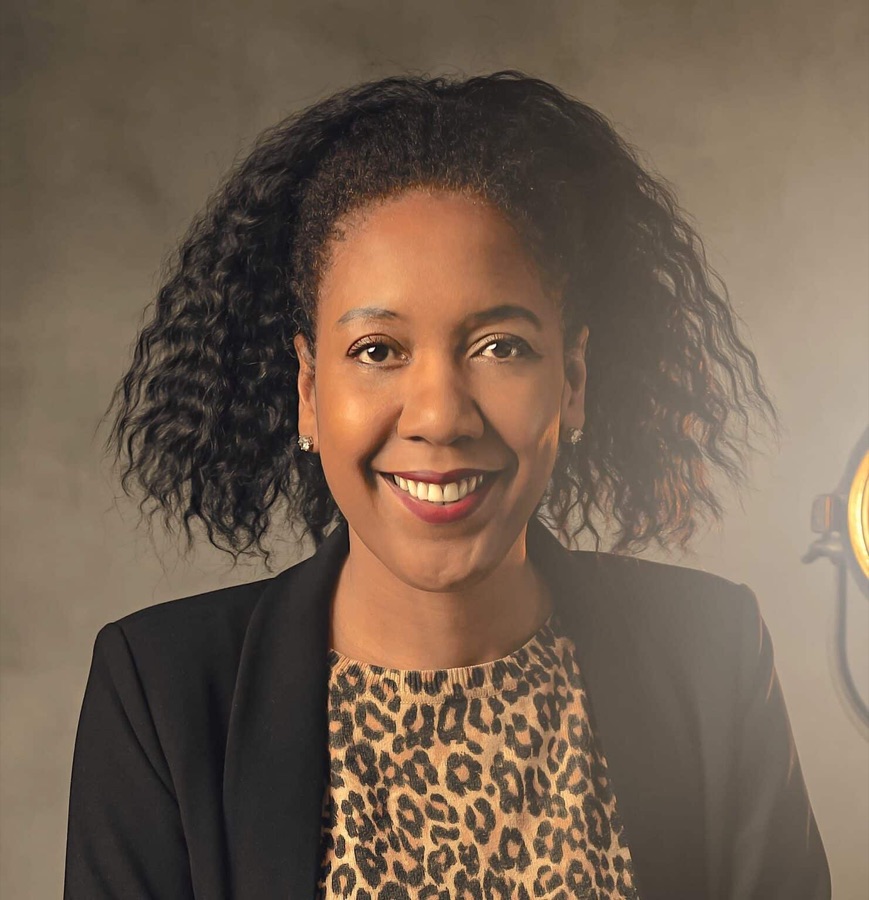
Coach Marie
Former Head of Commercial Excellence at Merck and Head of Marketing at Novartis.
Previously at Merck
Merck -

Coach Kevin
Former VP of Product Management at BILL and Head of Global Product Marketing for QuickBooks at Intuit.
Previously at
 LinkedIn
 -
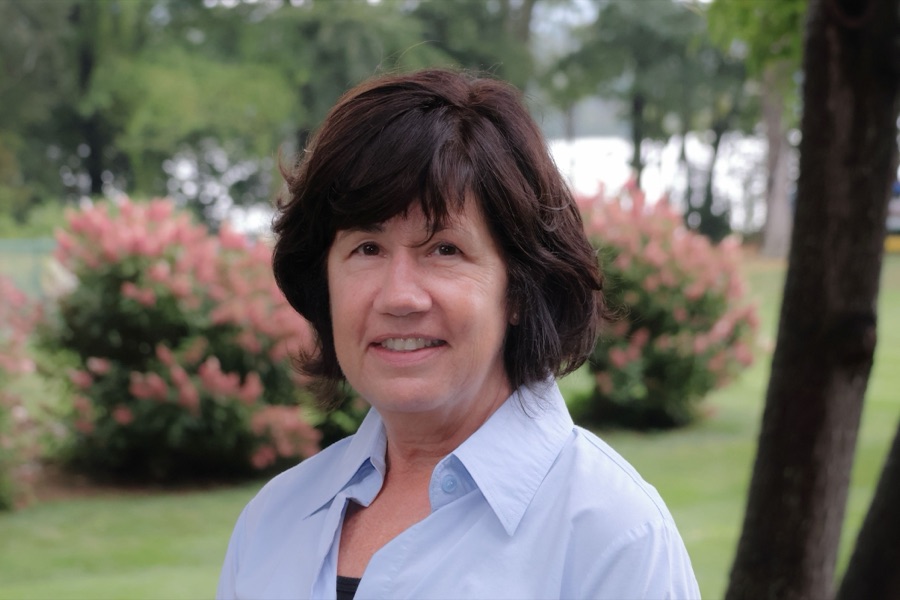
Coach April
Former Director of R&D at Johnson & Johnson. PhD, Organizational Leadership.
Previously at OraPharma Delaware Valley University
 -

Coach Don
Former Executive Vice President and COO at Gateway Ticketing Systems; led IT at Universal Orlando Resort and Walt Disney World.
Previously at
 Universal Orlando Resort
 -

Coach Catherine
Former APAC Chief Strategy Officer at Siemens Industry Software and regional director at IBM.
Previously at
 Cisco Systems
 -

Coach Frank
Former VP of Professional Services for North America at Unit4 and VP of Customer Success at Actifio.
Previously at
 Actifio
 -

Coach Vanessa
Former Chief Human Resources Officer and Chief Operating Officer. Executive coaching certificate, Columbia University.
Previously at
 Control Data Corporation
 -
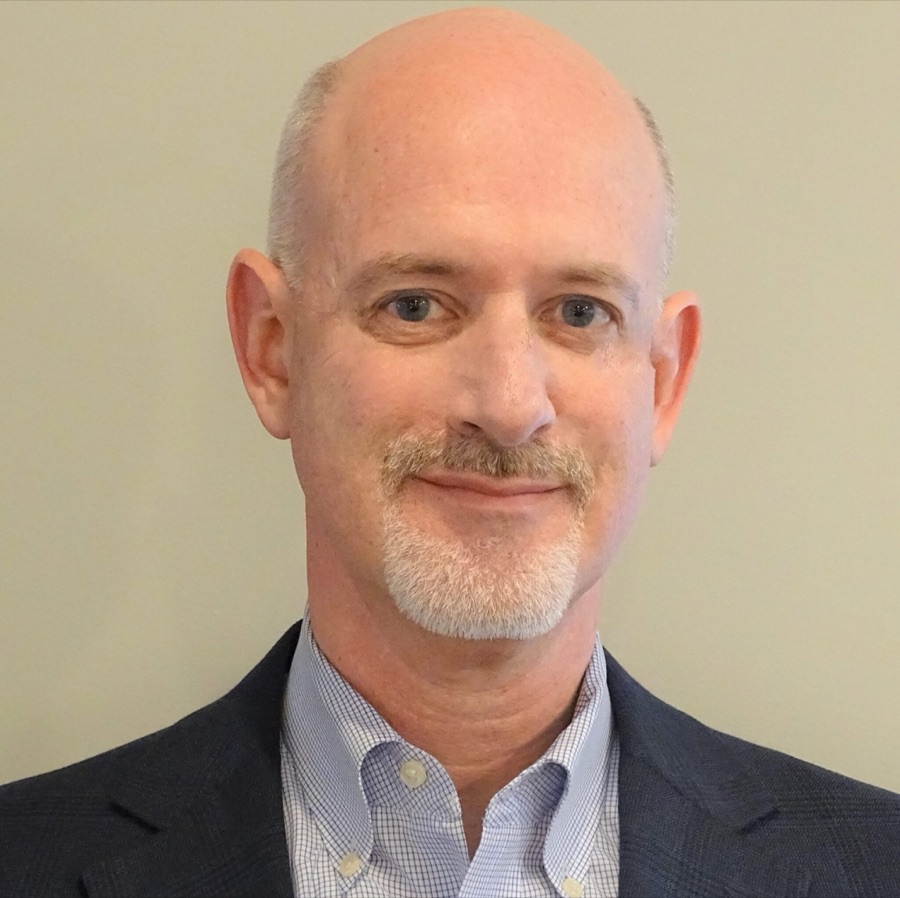
Coach Jeff
Former President of Healthcare Solutions at Budco Financial and VP of Marketing and Product Development at Dialog Direct.
Previously atBudco Financial Dialog Direct -

Coach Andrea
Former Senior Director of Direct-to-Consumer Marketing at Procter & Gamble.
Previously at 
Frequently asked questions about retention coaching.
Does 19% lower likelihood mean a 19-point retention increase?
No. The study reports a 19% relative difference in leaving likelihood. Its displayed leaving rates are 36% for coached employees and 44% for matched peers, an eight-percentage-point difference. Those rates are rounded, so they do not reproduce the source’s relative estimate exactly.
Was this a randomized study?
No. It was a matched-comparison analysis using public job-history data, with four uncoached matches for each coached employee. Matching considered job level, company tenure and recent-role timing, but it cannot remove every difference between people who received coaching and those who did not.
What does internal mobility include?
The study counted taking at least one new role within the company, whether senior or lateral. It should not be described as a promotion-only result.
Can coaching solve a retention problem on its own?
Coaching can support development, career clarity and leadership practice. Retention also depends on factors such as compensation, workload, opportunity, management and organizational decisions. A program should address relevant development needs while the organization tackles structural issues.
Where could your people grow without leaving?
Build a coaching program around the people, career opportunities and leadership relationships you want to strengthen.
Become a Torch Changemaker:
Request your consultation