

Bring Your PeopleWith You
Alignment is the precursor for execution. Torch Coaches aren’t just coaches, but industry leaders experienced in cultivating transformation, both individually and in teams.
See how FICO led change with Torch
95% of coached leaders reported measurable, performance-improving behaviour change.
Trusted by leaders to light their way
Customer logos: Airbnb, FICO, Reddit, Contentful, AppFolio, PlayStation, Waymo, Barracuda, Accenture, Couchbase, Twitch, Ubisoft, Zendesk, Unity, Tripadvisor, Mattel, AppLovin, HelloFresh, Best Buy, Nebius, Morningstar, CrossCountry Consulting.
Use Tab to focus this section and pause the logo animation.




 PlayStation
  Waymo
Waymo 
 Couchbase
 UBISOFT
  zendesk







What is leadership coaching for change management?
Leadership coaching for change management focuses on how people lead through a transition: explaining the direction, listening to concerns, making decisions and changing their own habits. A leader might rehearse explaining a difficult decision, examine resistance with their coach or change how they invite feedback. Coaching complements the change plan with practice and reflection. FICO’s case provides evidence about leadership development, rather than evaluating a specific transformation rollout.

FICO needed to navigate technical transformation, at scale
FICO wanted leaders who could carry a technical organization through business transformation: developed at scale, retained through the change, and measurably better for their teams.
Its approach paired high-potential people leaders with coaches and high-potential individual contributors with mentors. Over six months, feedback, individual goals and an external perspective helped leaders examine difficult conversations, communication and support for their teams.
How the coaching worked
Change leaders could describe in their own work.
Participant-reported findings from one FICO coaching cohort. Behavior figures are selections in a check-all-that-apply survey, not measured percentage improvements or a causal estimate of business impact.
- 55%
Reported improved handling of difficult conversations
Share of end-of-coaching survey respondents.
- 50%
Reported improved communication
Share of end-of-coaching survey respondents.
- 45%
Reported improved confidence or self-belief
Share of end-of-coaching survey respondents.
- 55%
Reported improved self-awareness
Share of end-of-coaching survey respondents.
- 92
Coaching NPS
Program review reports 19 respondents and 164 completed surveys.
- 4.8 / 5
Coach satisfaction
Program review reports 19 respondents and 164 completed surveys.

“I learned to navigate through conflicts and difficult conversations.”
How FICO made development a sustained practice.
Stock photographs illustrate coaching themes, not this customer’s participants or program sessions.
Start with a willing leader.
HR and business leaders nominated people with the motivation to develop, then confirmed their commitment and explained what the experience would involve.
Nomination, commitment and a clear startMake the relationship relevant.
Matching considered functional background, career level, experience and learning goals; coaching used 360 feedback to identify strengths and development priorities.
Coach fit, feedback and personal goalsReturn to the work regularly.
Participants had two hours per month with a coach or mentor over six months, with flexibility in how they used that time and goals to work on between meetings.
An ongoing relationship, not a one-off workshopReview what is changing.
HR checked in during and at the end of the experience, while participant feedback captured lessons, progress and changes in how leaders approached their work.
Midpoint conversations and end-of-program feedback



What needs to change in the way your leaders lead?
Change is announced once. It is worked through every day. Help leaders explain what is decided, listen to concerns and turn the transition into clear next steps.
Name the change that matters.
Clarify what is changing, what is staying the same and what remains open, then agree the leadership behaviors that would help the transition.
Find the moments where change gets difficult.
Listen for uncertainty, conflicting priorities and practical constraints behind apparent resistance, then identify the conversations and handoffs that need attention.
Choose the people and coaching mix.
Shape individual, team or group coaching around sponsors, managers and teams carrying the change.
Match experience to the challenge.
Work with Torch to select coaches whose leadership experience, coaching style and qualifications fit the work.
Practice before the next real conversation.
Use human coaching and optional Spark AI rehearsal to practise a clear change conversation that acknowledges concerns and agrees a workable next step.
Look for adoption in everyday work.
Review agreed behavior feedback and relevant business measures without treating private coaching conversations as employer reporting.
Experienced leaders. Worth your leaders’ time.
- Every coach is ICF-credentialed
- At least five years of coaching experience
- Industry leaders with first-hand experience
- Many doctoral-qualified psychologists and therapists
- Matched to leaders and their responsibilities
-

Coach Sandeep
Led businesses at Gap Inc. and Mars before coaching C-suite leaders and founders. MBA, Georgetown.
Previously at


-

Coach Evelyn
Former CEO of The RNA Society and COO of Parkinson Wellness Recovery. PhD, Cornell.
Previously at


-

Coach Rafal
Former Chief Learning Officer at Deloitte Switzerland and Vice President at Barclays. ICF Master Certified Coach.
Previously at


-

Coach Sheryl
Former Executive Vice President at Wells Fargo and Managing Director at Barclays.
Previously at UBS
UBS -
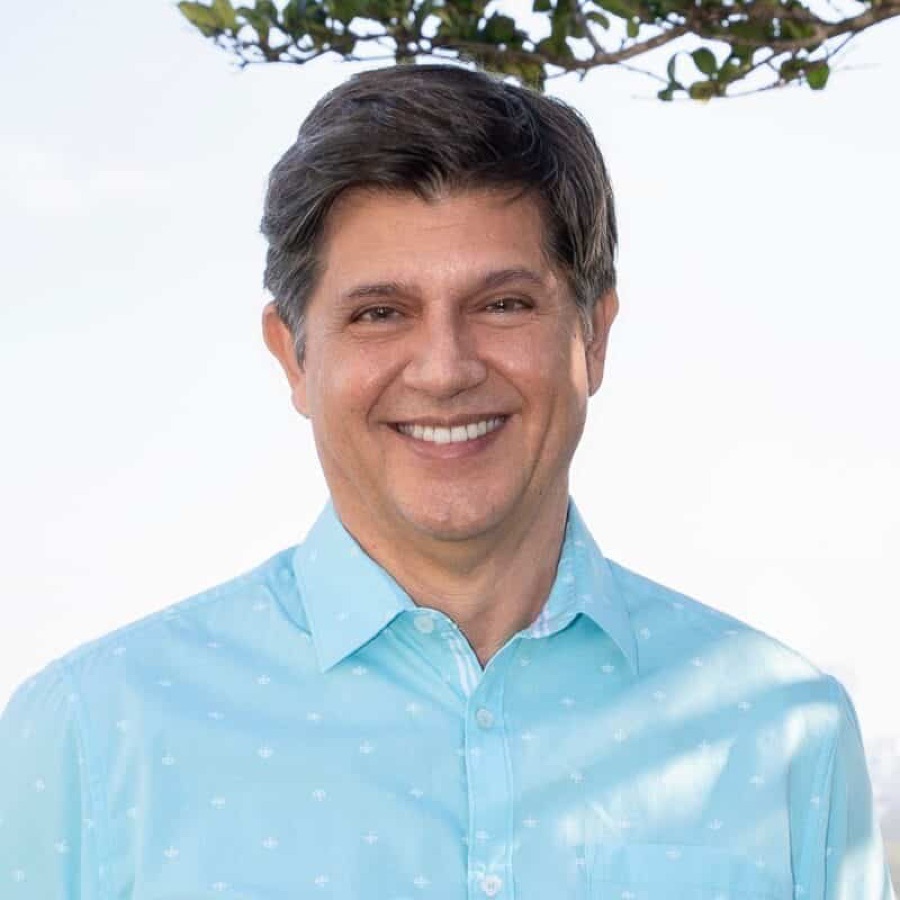
Coach Jorge
Former CEO of Axion Energy, a BP joint venture, and SVP of Global Strategic Partnerships at BP.
Previously at BP Axion Energy
 -

Coach Sophia
Former Vice President and Business Unit CFO at Kraft Heinz.
Previously at
 Walker & Company
 -

Coach Jon
Former Partner at Bain & Company and The Bridgespan Group.
Previously at
 Bannock Consulting
 -

Coach Shirley
Former Chief People Officer at Zadara and Callisto Media. PhD, Organizational Psychology.
Previously at Callisto Media
 -

Coach Andrew
Former Chief Technology Officer at Parametric and COO at Synoptic Data.
Previously at Microsoft
-

Coach Anita
Former Partner in Accenture's global strategy practice and Head of Innovation at KPMG Strategy.
Previously at

-
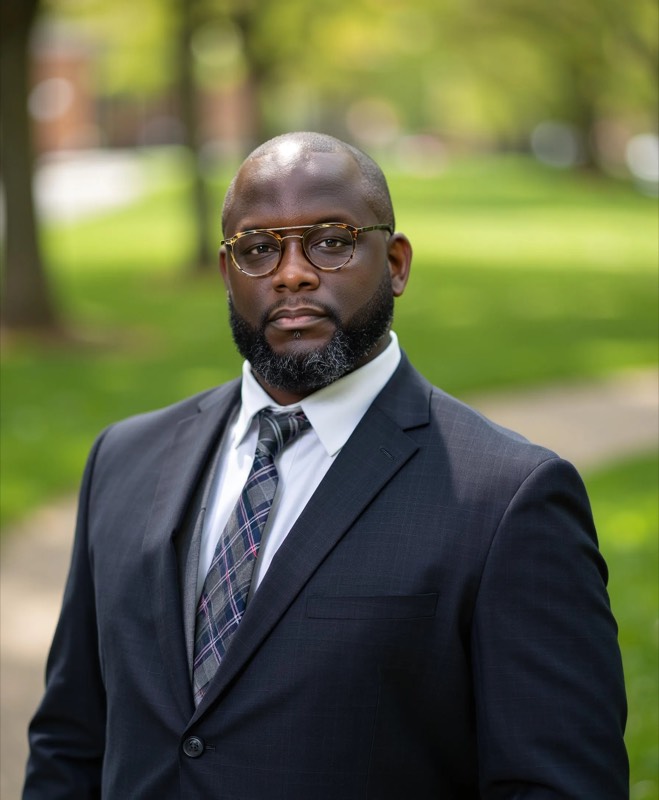
Coach Shamar
Led coaching and development programs at AvidXchange and GEICO. U.S. Navy veteran.
Previously at
 U.S. Navy
 -
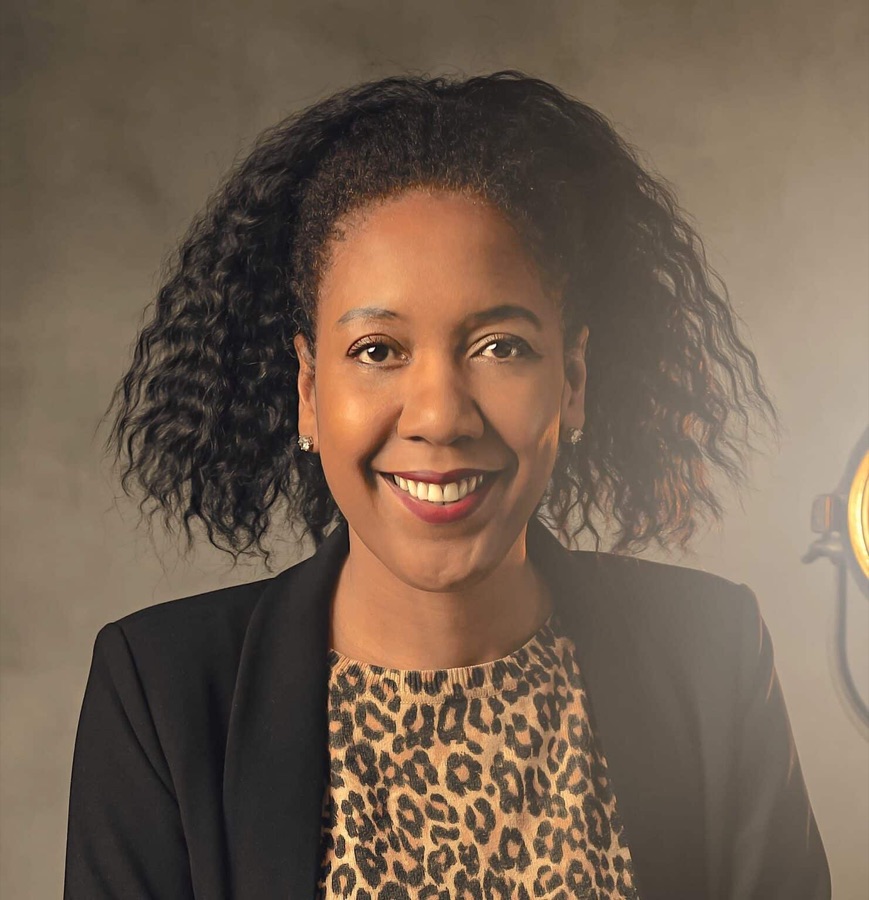
Coach Marie
Former Head of Commercial Excellence at Merck and Head of Marketing at Novartis.
Previously at Merck
Merck -

Coach Kevin
Former VP of Product Management at BILL and Head of Global Product Marketing for QuickBooks at Intuit.
Previously at
 LinkedIn
 -

Coach April
Former Director of R&D at Johnson & Johnson. PhD, Organizational Leadership.
Previously at OraPharma Delaware Valley University
 -

Coach Don
Former Executive Vice President and COO at Gateway Ticketing Systems; led IT at Universal Orlando Resort and Walt Disney World.
Previously at
 Universal Orlando Resort
 -

Coach Catherine
Former APAC Chief Strategy Officer at Siemens Industry Software and regional director at IBM.
Previously at
 Cisco Systems
 -

Coach Frank
Former VP of Professional Services for North America at Unit4 and VP of Customer Success at Actifio.
Previously at
 Actifio
 -

Coach Vanessa
Former Chief Human Resources Officer and Chief Operating Officer. Executive coaching certificate, Columbia University.
Previously at
 Control Data Corporation
 -
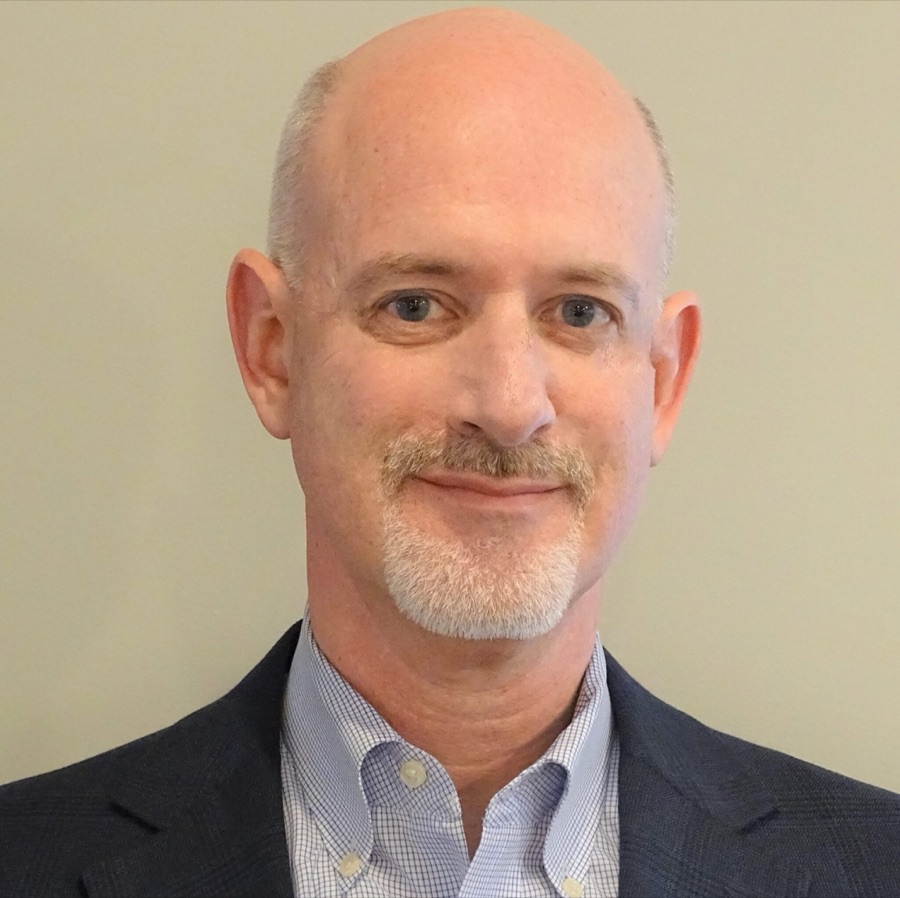
Coach Jeff
Former President of Healthcare Solutions at Budco Financial and VP of Marketing and Product Development at Dialog Direct.
Previously atBudco Financial Dialog Direct -

Coach Andrea
Former Senior Director of Direct-to-Consumer Marketing at Procter & Gamble.
Previously at 
Frequently asked questions about change management coaching.
Does coaching replace a change-management plan?
No. A change plan establishes direction, ownership, communications and milestones. Coaching supports the leaders responsible for making that plan workable, including how they respond to uncertainty, surface concerns and model a different way of working.
What does the FICO case establish?
It documents a personalized leadership development approach and participants’ reported experiences and changes. The behavior findings came from 20 responses within a 36-person cohort, using a check-all-that-apply questionnaire. The experience measures use a separate set of 19 respondents and 164 submitted surveys. These are not controlled estimates of transformation success, retention or financial return.
How would we know whether leaders are helping change take hold?
Agree observable behaviors and relevant adoption measures before the program begins, then review participant reflections alongside appropriately governed feedback from colleagues and business data. Keep each evidence type distinct; financial ROI requires separate cost, benefit and attribution analysis.
When is change-management coaching useful?
Consider coaching when leaders understand the change on paper but need help bringing people with them: handling difficult conversations, listening to concerns or making decisions under uncertainty. Start with the behaviors the change requires. Coaching cannot resolve an unclear strategy, conflicting incentives or missing resources on its own.
Should we coach individuals, a team or a cross-functional group?
Use individual coaching for a leader’s specific development needs. Consider team coaching when the manager and team need to change how they work together, or group coaching for people learning across functions. These are current program-design choices; FICO’s case describes coaching for people leaders and mentoring for individual contributors.
What is Torch?
Torch is a leadership coaching and alignment platform for mid-market and enterprise organizations. It pairs experienced human coaches with optional Spark AI support to help leaders practice behaviors connected to their organization’s priorities. Spark AI is a current program option. The historical FICO case does not document or evaluate Spark AI.
What will your leaders do differently when change arrives?
Start with the transition ahead and the leadership habits it will require.
Become a Torch Changemaker:
Request your consultation