
Think beyond the current role.
Connect everyday decisions to the demands and tradeoffs of wider responsibility.

A bigger role asks for a different way of leading. Torch helps people practice the judgment, relationships and delegation their next chapter will demand, while they are still doing the work in front of them.
Explore the coaching approachConnect everyday decisions to the demands and tradeoffs of wider responsibility.
Build relationships and decision boundaries instead of solving every problem personally.
Choose live work where a new leadership habit can be practiced and discussed.
Start with the responsibility ahead, then shape individual development around real assignments and fair participation criteria.
Prioritize experience with the transition ahead, including broader scope, cross-functional influence or first-time people leadership, then confirm individual fit.
Name the responsibilities, transition demands and transparent participation criteria that give the program its purpose.
Match coaches to individual needs and choose a small set of development goals relevant to the responsibility ahead.
Apply coaching to a stretch assignment, cross-functional decision or stakeholder relationship with clear boundaries.
Consider agreed observations and work examples alongside the wider assessment used for role and succession decisions.
Choose role-relevant behaviors and review points before the program begins. Promotion is a separate decision, influenced by vacancies, business needs and performance.
Review participant progress on agreed responsibilities, recording whether the evidence is self-reported or observed.
Ask appropriate stakeholders about delegation, influence and ownership using consistent questions.
Discuss a concrete work example and distinguish new practice from a judgment that someone is ready for promotion.
An illustrative Spark exchange turns a participant's development goal into a conversation to rehearse.
Explore Spark AIAn illustrative conversation using context supplied by the participant. Spark is optional.

Led businesses at Gap Inc. and Mars before coaching C-suite leaders and founders. MBA, Georgetown.




Former CEO of The RNA Society and COO of Parkinson Wellness Recovery. PhD, Cornell.



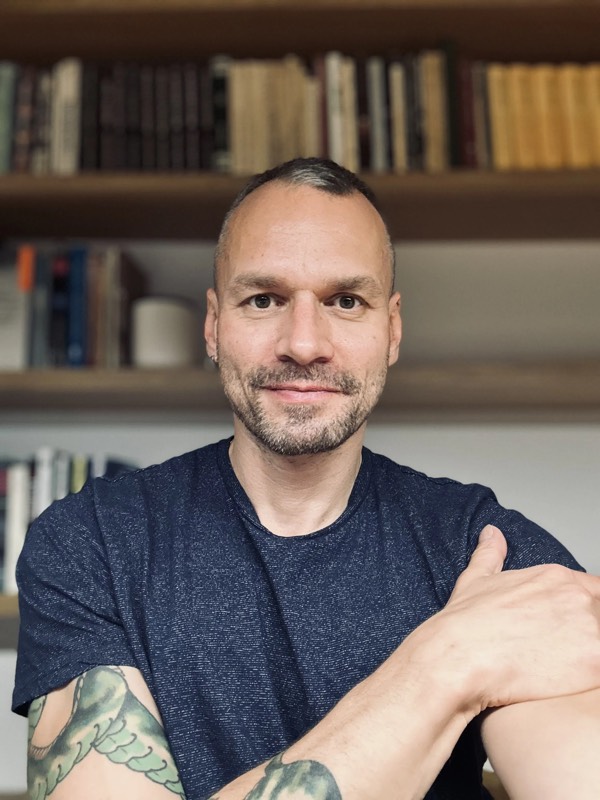
Former Chief Learning Officer at Deloitte Switzerland and Vice President at Barclays. ICF Master Certified Coach.




Former Executive Vice President at Wells Fargo and Managing Director at Barclays.
 UBS
UBS 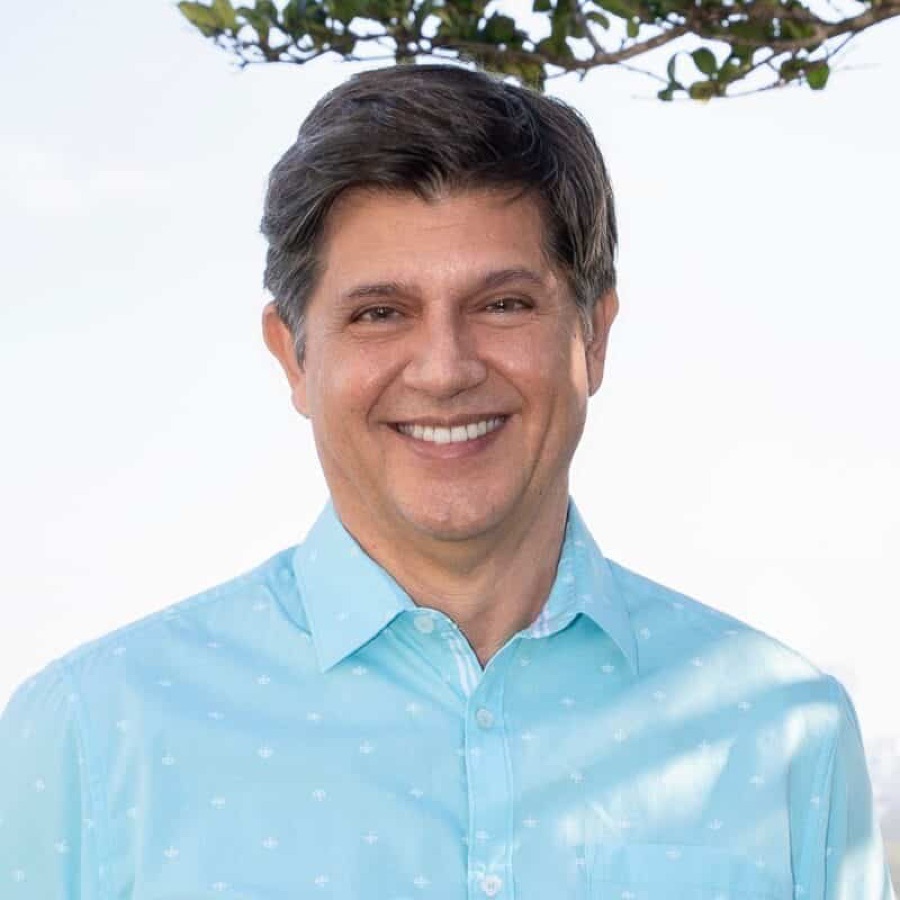
Former CEO of Axion Energy, a BP joint venture, and SVP of Global Strategic Partnerships at BP.
 BP Axion Energy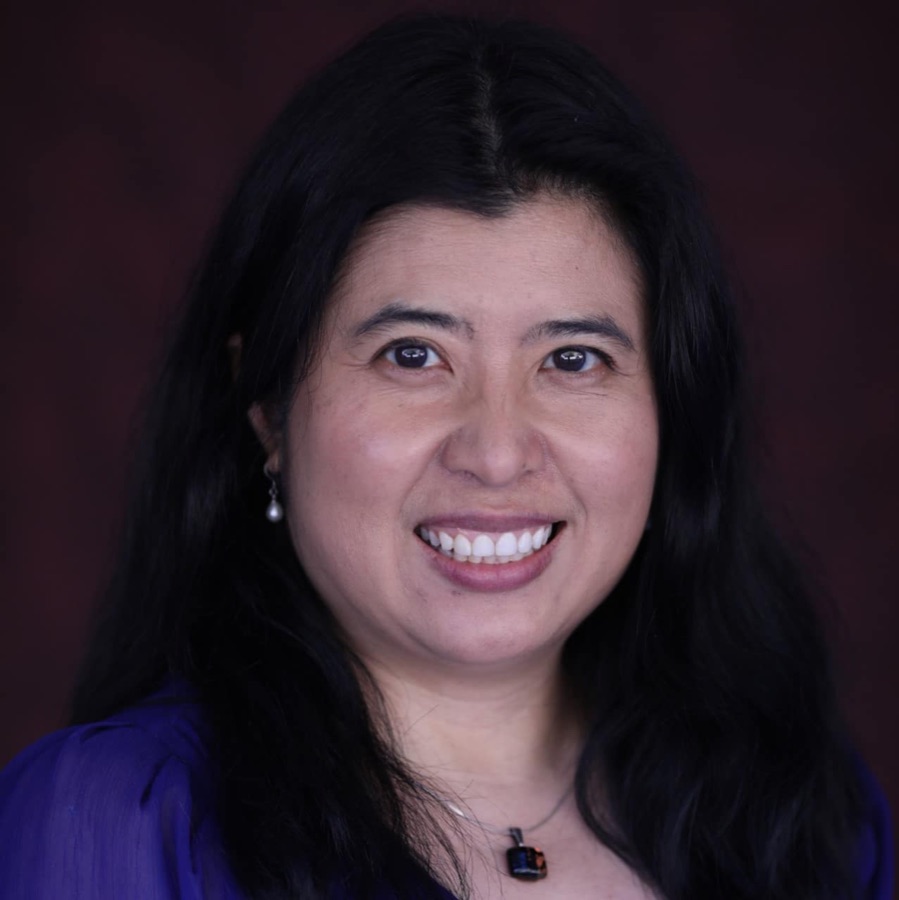
Former Vice President and Business Unit CFO at Kraft Heinz.

 Walker & Company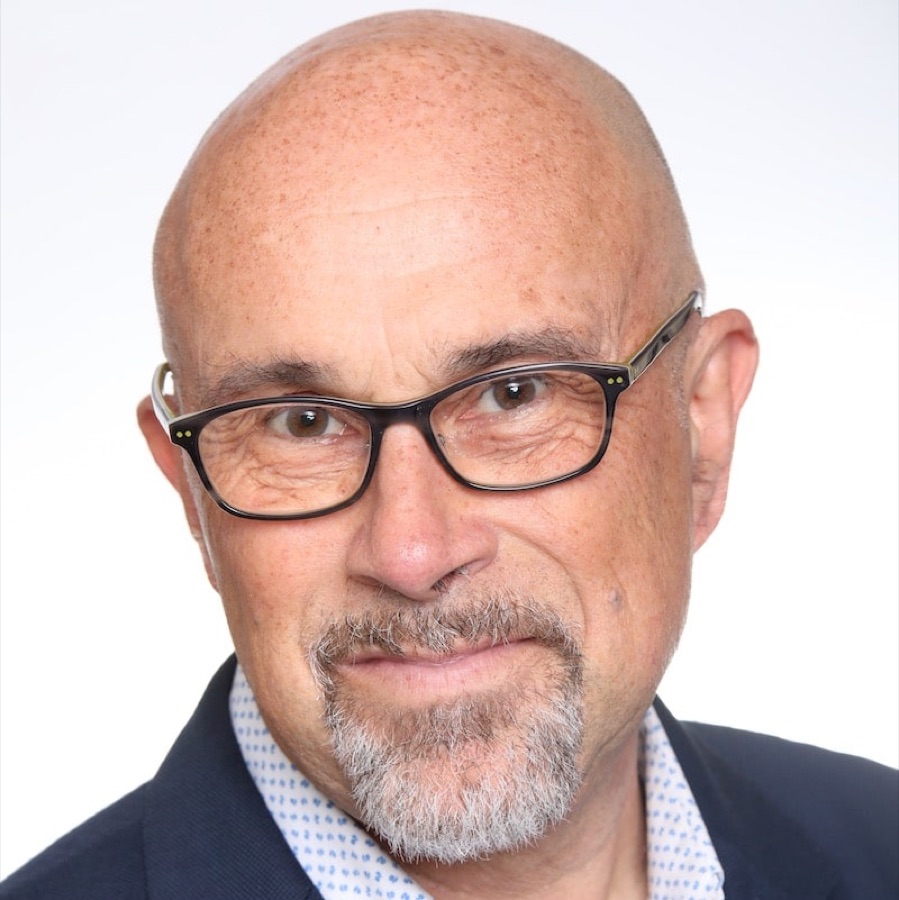
Former Partner at Bain & Company and The Bridgespan Group.

 Bannock Consulting
Former Chief People Officer at Zadara and Callisto Media. PhD, Organizational Psychology.
 Callisto Media
Former Chief Technology Officer at Parametric and COO at Synoptic Data.
 Microsoft
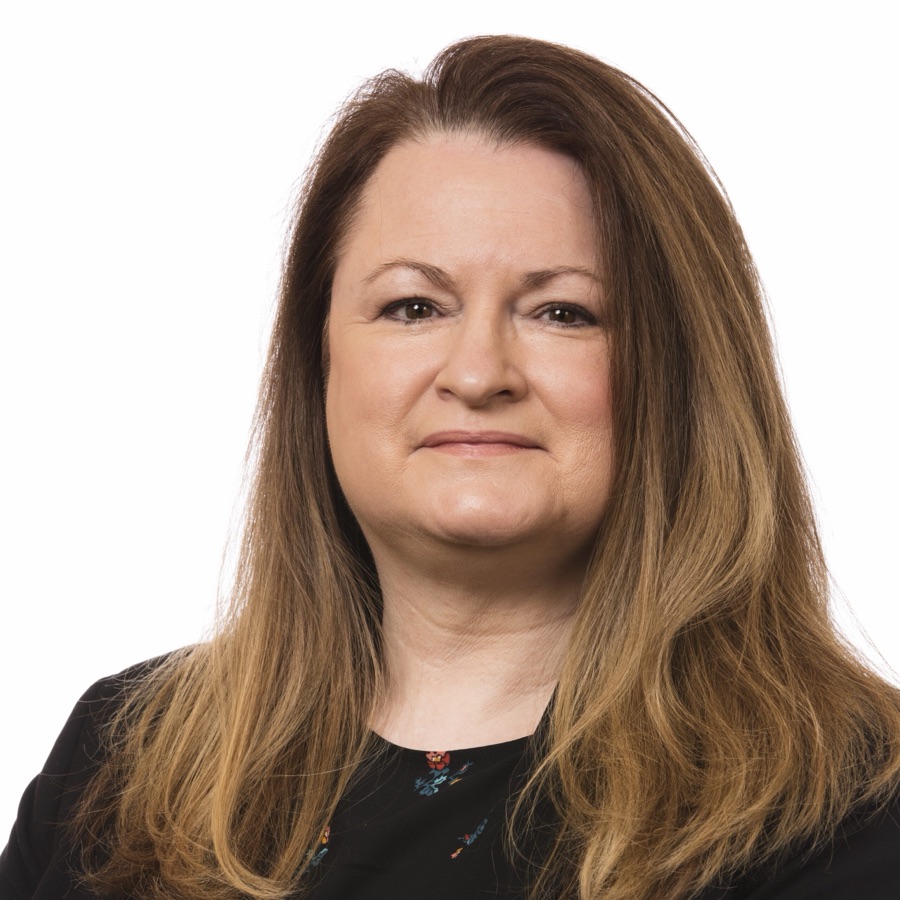
Former Partner in Accenture's global strategy practice and Head of Innovation at KPMG Strategy.


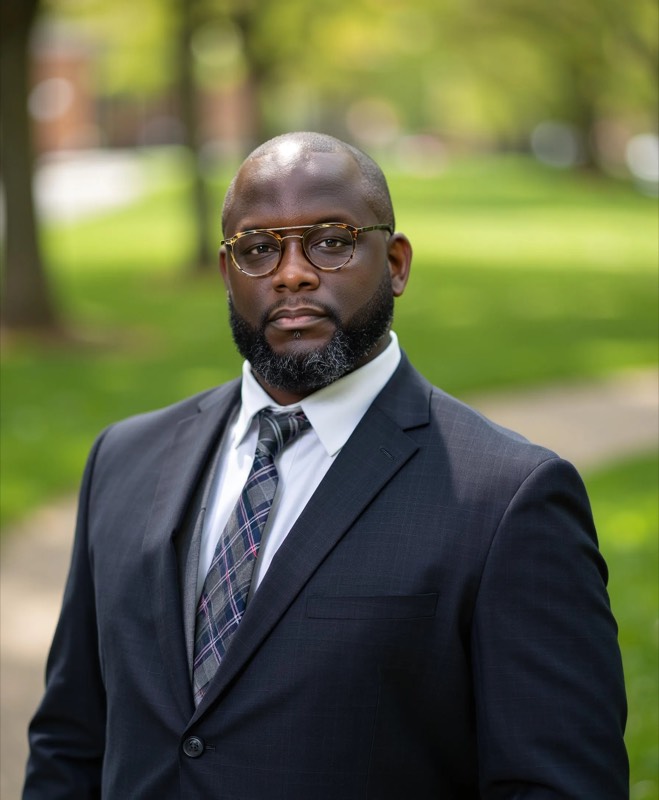
Led coaching and development programs at AvidXchange and GEICO. U.S. Navy veteran.

 U.S. Navy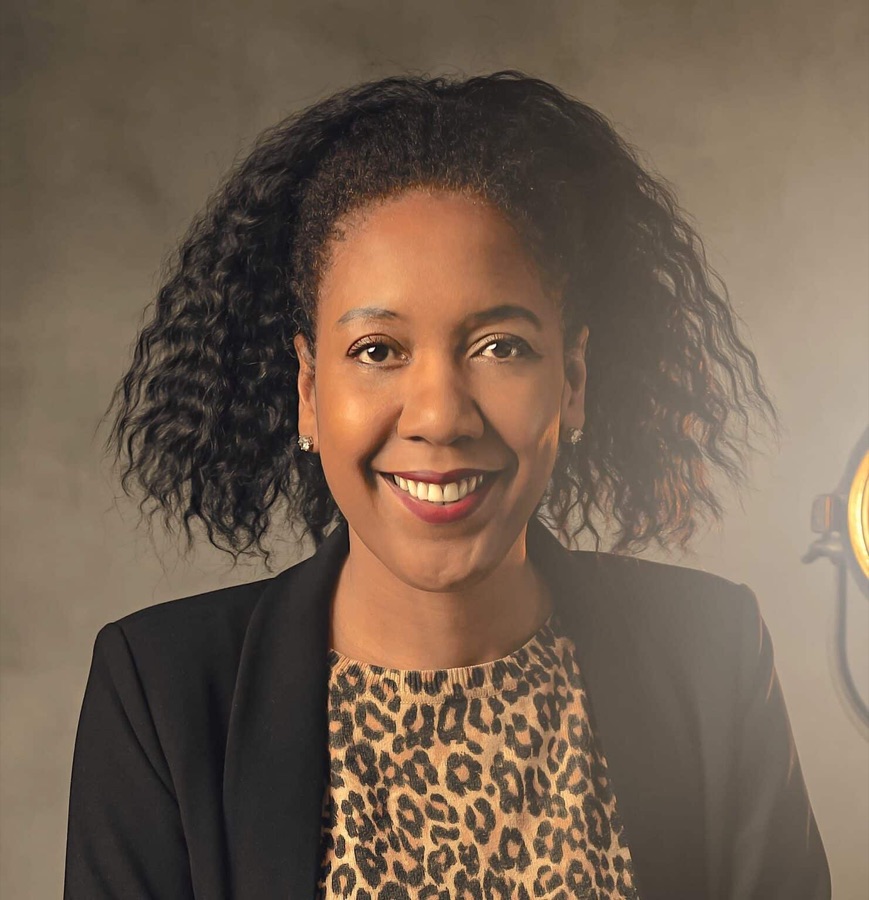
Former Head of Commercial Excellence at Merck and Head of Marketing at Novartis.
 Merck
Merck 
Former VP of Product Management at BILL and Head of Global Product Marketing for QuickBooks at Intuit.

 LinkedIn
Former Director of R&D at Johnson & Johnson. PhD, Organizational Leadership.
 OraPharma Delaware Valley University
Former Executive Vice President and COO at Gateway Ticketing Systems; led IT at Universal Orlando Resort and Walt Disney World.

 Universal Orlando Resort
Former APAC Chief Strategy Officer at Siemens Industry Software and regional director at IBM.

 Cisco Systems
Former VP of Professional Services for North America at Unit4 and VP of Customer Success at Actifio.

 Actifio
Former Chief Human Resources Officer and Chief Operating Officer. Executive coaching certificate, Columbia University.

 Control Data Corporation
Former President of Healthcare Solutions at Budco Financial and VP of Marketing and Product Development at Dialog Direct.

Former Senior Director of Direct-to-Consumer Marketing at Procter & Gamble.

Your organization defines fair participation criteria and owns selection. Torch helps shape development around the people and responsibilities in scope.
No. Coaching contributes development evidence, but succession decisions require a wider assessment of role demands, performance and organizational needs.
This program focuses on the transition into broader responsibility. Executive coaching addresses the demands and relationships of an existing senior role.
Torch is a leadership coaching and alignment platform for developing people around organizational priorities. Experienced coaches help participants turn role-specific development goals into practice, with optional Spark AI for reflection and rehearsal.
Start with the responsibility ahead, then build the development around the person.
Become a Torch Changemaker:
Request your consultation