
See beyond your function.
Examine how your decisions affect other leaders, their teams and the wider direction.

Consequential roles need candid perspective. Torch pairs senior leaders with experienced coaches to examine assumptions, work through difficult tradeoffs and change how they lead the people around them.
Explore the coaching approachExamine how your decisions affect other leaders, their teams and the wider direction.
Surface competing priorities before apparent agreement becomes conflicting action.
Clarify what others own and where your involvement genuinely changes the decision.

Led businesses at Gap Inc. and Mars before coaching C-suite leaders and founders. MBA, Georgetown.




Former CEO of The RNA Society and COO of Parkinson Wellness Recovery. PhD, Cornell.



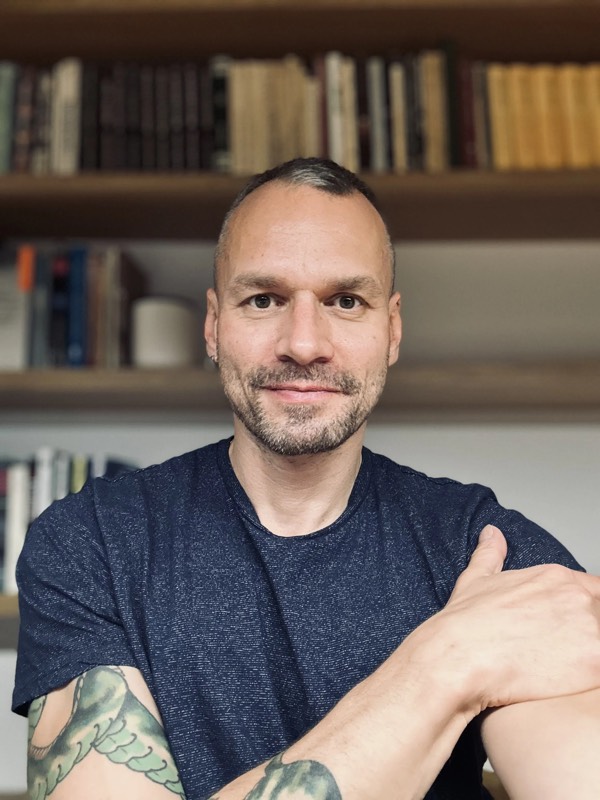
Former Chief Learning Officer at Deloitte Switzerland and Vice President at Barclays. ICF Master Certified Coach.




Former Executive Vice President at Wells Fargo and Managing Director at Barclays.
 UBS
UBS 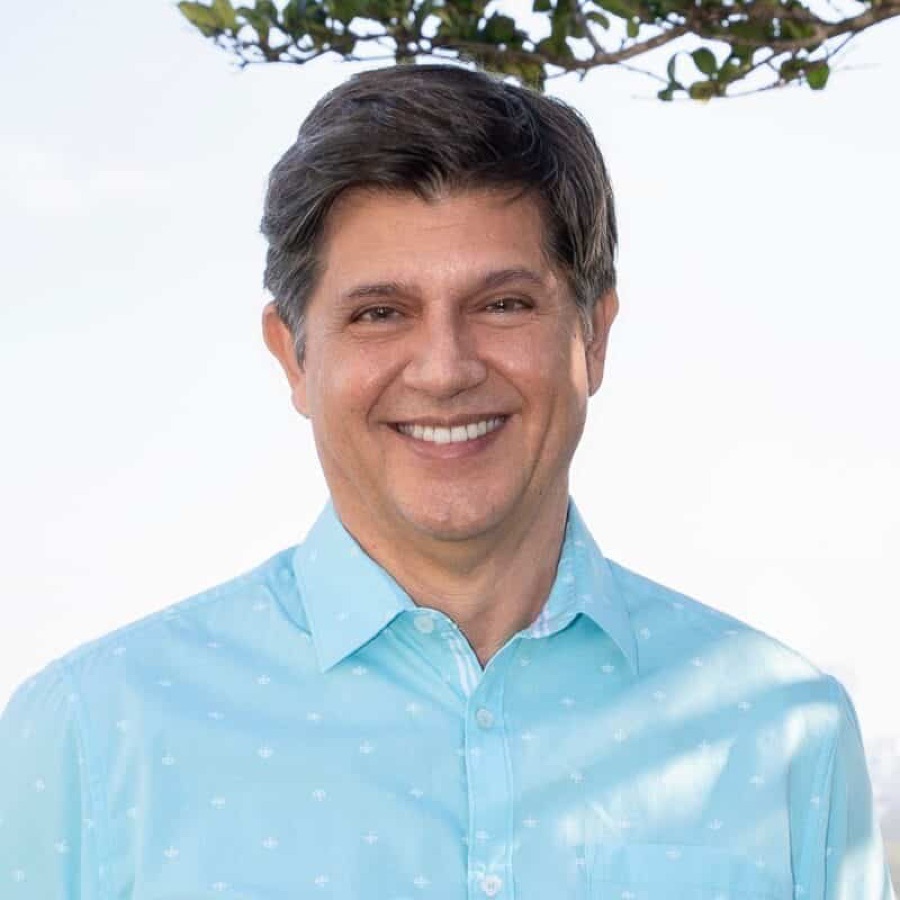
Former CEO of Axion Energy, a BP joint venture, and SVP of Global Strategic Partnerships at BP.
 BP Axion Energy
Former Vice President and Business Unit CFO at Kraft Heinz.

 Walker & Company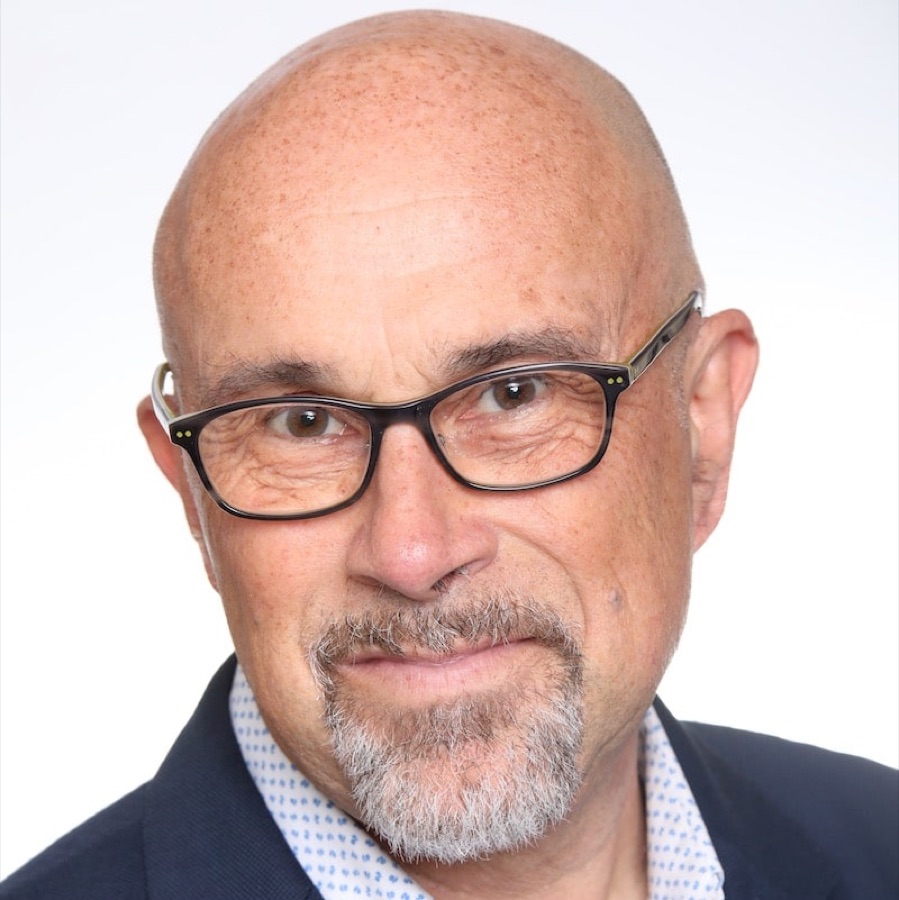
Former Partner at Bain & Company and The Bridgespan Group.

 Bannock Consulting
Former Chief People Officer at Zadara and Callisto Media. PhD, Organizational Psychology.
 Callisto Media
Former Chief Technology Officer at Parametric and COO at Synoptic Data.
 Microsoft

Former Partner in Accenture's global strategy practice and Head of Innovation at KPMG Strategy.


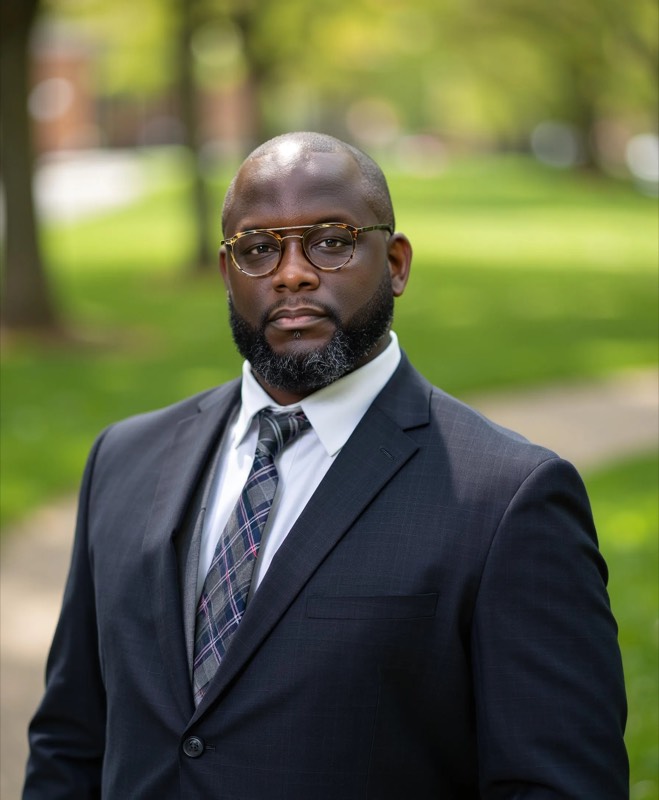
Led coaching and development programs at AvidXchange and GEICO. U.S. Navy veteran.

 U.S. Navy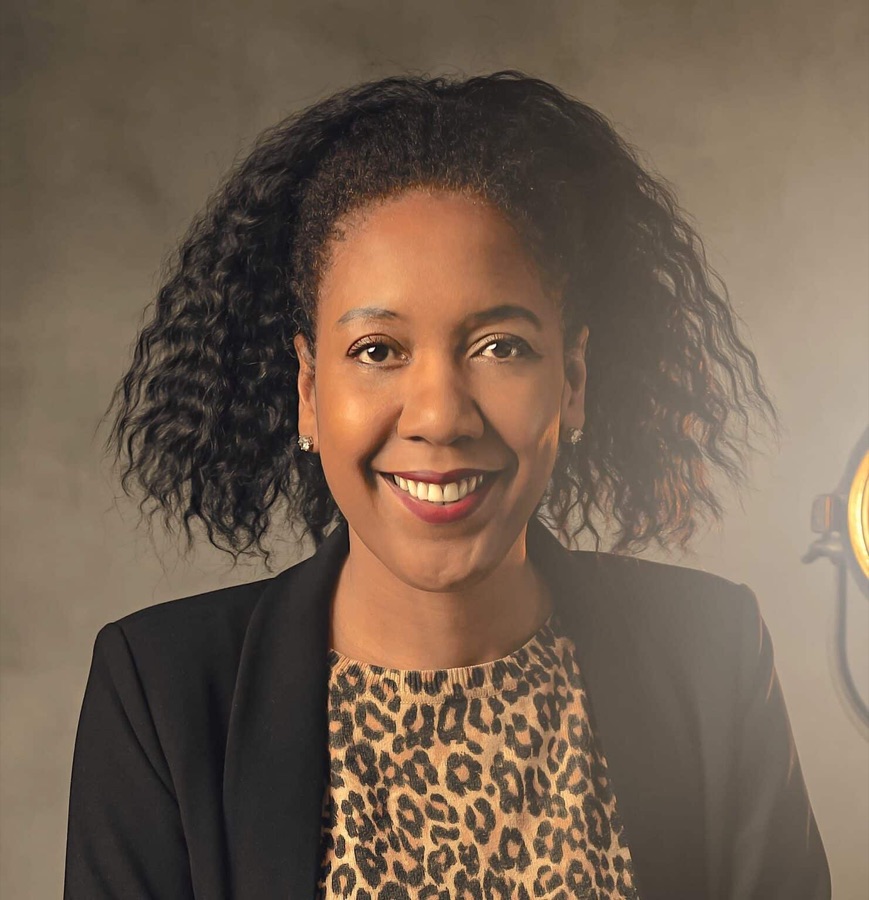
Former Head of Commercial Excellence at Merck and Head of Marketing at Novartis.
 Merck
Merck 
Former VP of Product Management at BILL and Head of Global Product Marketing for QuickBooks at Intuit.

 LinkedIn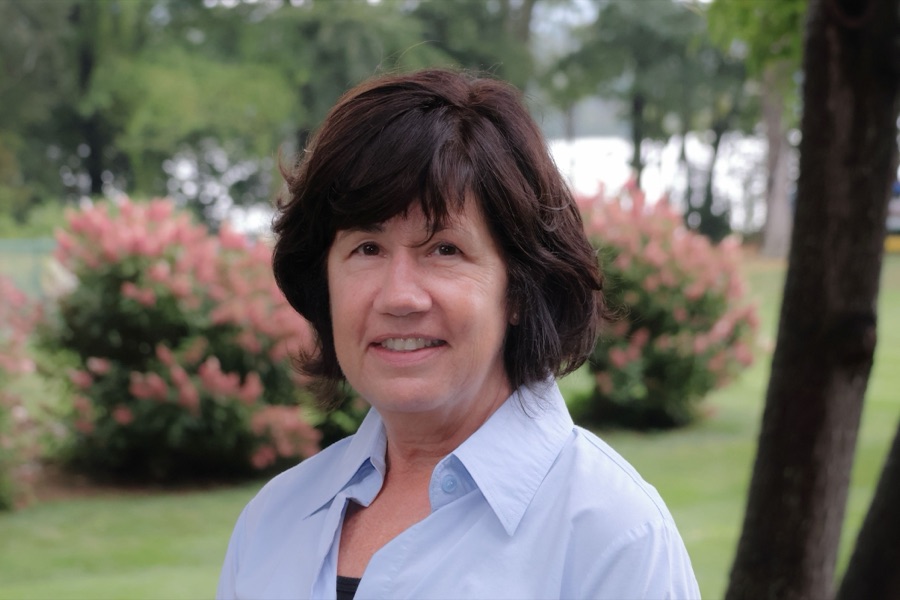
Former Director of R&D at Johnson & Johnson. PhD, Organizational Leadership.
 OraPharma Delaware Valley University
Former Executive Vice President and COO at Gateway Ticketing Systems; led IT at Universal Orlando Resort and Walt Disney World.

 Universal Orlando Resort
Former APAC Chief Strategy Officer at Siemens Industry Software and regional director at IBM.

 Cisco Systems
Former VP of Professional Services for North America at Unit4 and VP of Customer Success at Actifio.

 Actifio
Former Chief Human Resources Officer and Chief Operating Officer. Executive coaching certificate, Columbia University.

 Control Data Corporation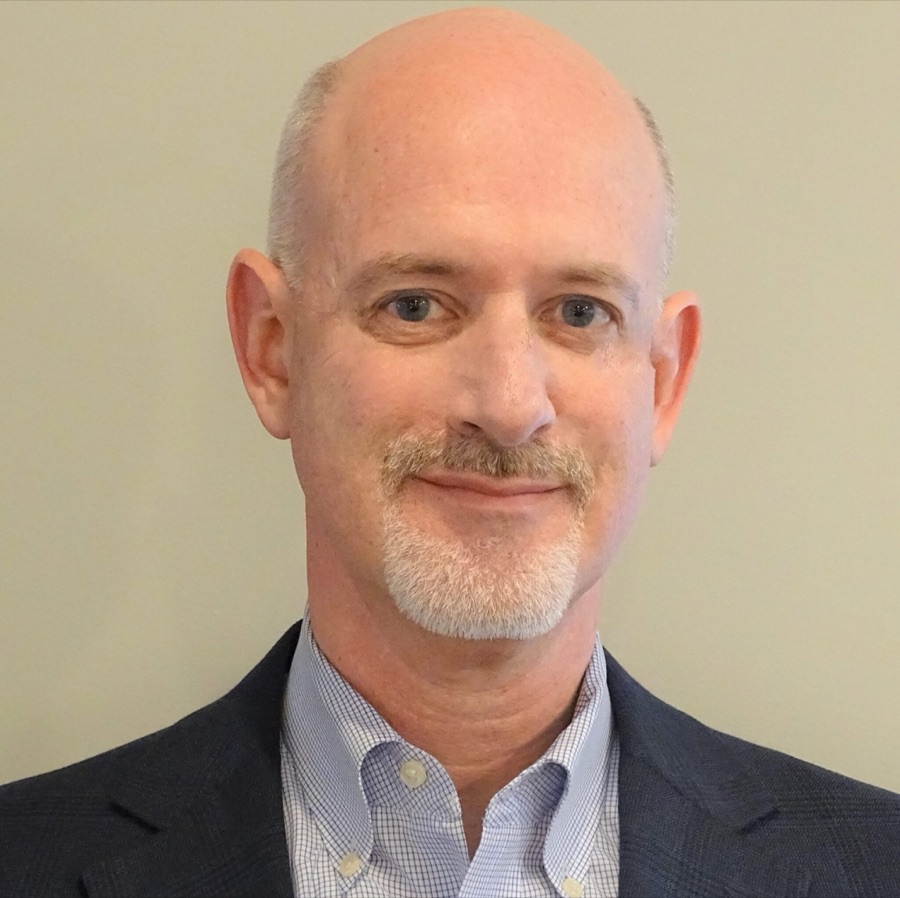
Former President of Healthcare Solutions at Budco Financial and VP of Marketing and Product Development at Dialog Direct.

Former Senior Director of Direct-to-Consumer Marketing at Procter & Gamble.

Build an individual engagement around the responsibilities the executive carries now, with clear development and reporting agreements.
Torch coaches are ICF-credentialed and bring at least five years of coaching experience. Executive matching should also consider relevant leadership responsibilities, context and personal fit.
Identify the strategic decisions, stakeholder relationships and leadership patterns that deserve attention.
Match relevant leadership experience and coaching credentials with the executive's goals and working style.
Apply coaching to a live decision, peer conversation or delegation challenge, then examine what happened.
Return to agreed goals and stakeholder feedback to decide what the leader should continue or change.
Define observable goals before coaching starts. Do not treat a leader's self-reported progress as proof of enterprise performance.
Compare agreed observations of listening, delegation and decision clarity at the start and end.
Review the executive's progress against selected responsibilities and distinguish self-report from others' observations.
Discuss suitable examples of changed practice without exposing confidential decision content or claiming causation.

“Our partnership with Torch, as well as the executive coaching we've been able to offer our leaders, is one of the things I'm most proud of in my entire career. It's been so impactful and such a differentiator for CrossCountry. We have people who say this program changed their life, that this was the most meaningful thing they've ever done.”
An illustrative Spark rehearsal begins with the leader's own description, not confidential meeting records.
Explore Spark AIAn illustrative conversation using context supplied by the participant. Spark is optional.
Yes, with a separate team-coaching design. An intact team works on shared responsibilities; individual coaching focuses on one person's development. Agree coach roles and confidentiality for each.
Executive coaching addresses the demands of a senior role now. Succession and transition development prepare someone for responsibilities they may take on next.
The program can focus on leadership behaviors relevant to business priorities. Business results have multiple causes, so coaching progress alone does not establish revenue, strategy or financial impact.
Torch is a leadership coaching and alignment platform. For senior leaders, it brings experienced human coaching to the decisions and relationships that connect personal leadership with organizational direction.
Build a coaching partnership around the leadership work that matters now.
Become a Torch Changemaker:
Request your consultation